
Westville Case Study:
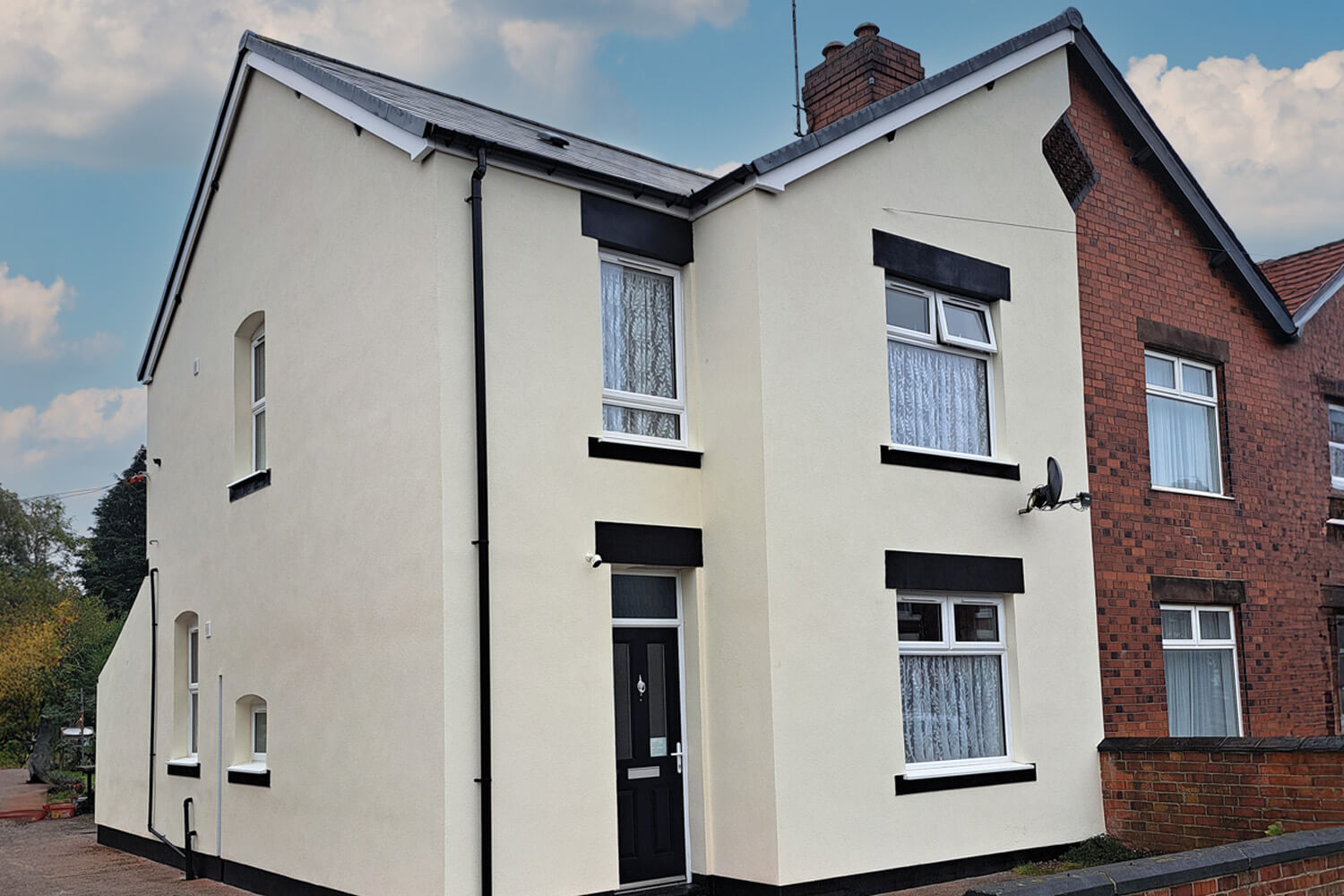
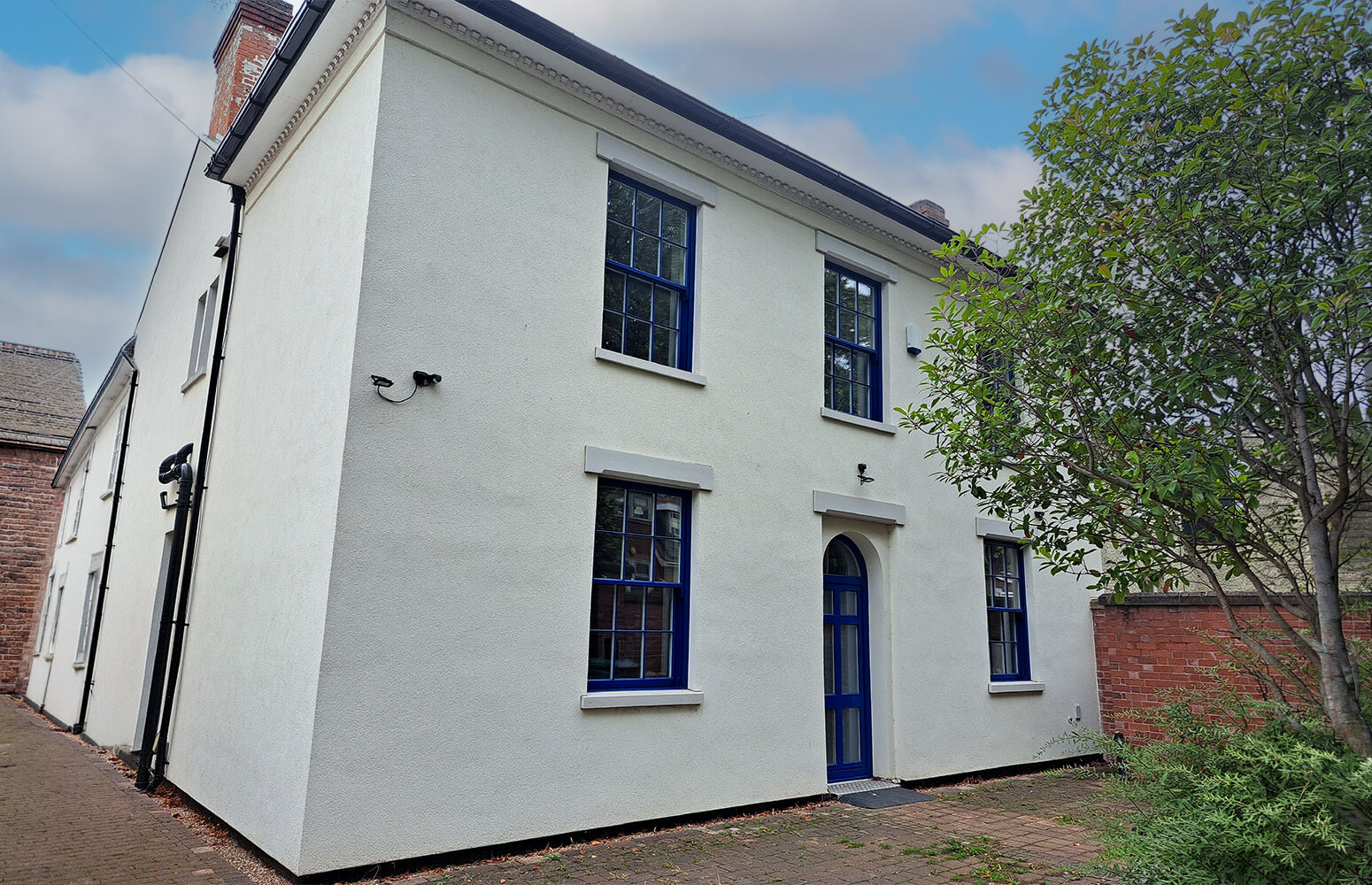
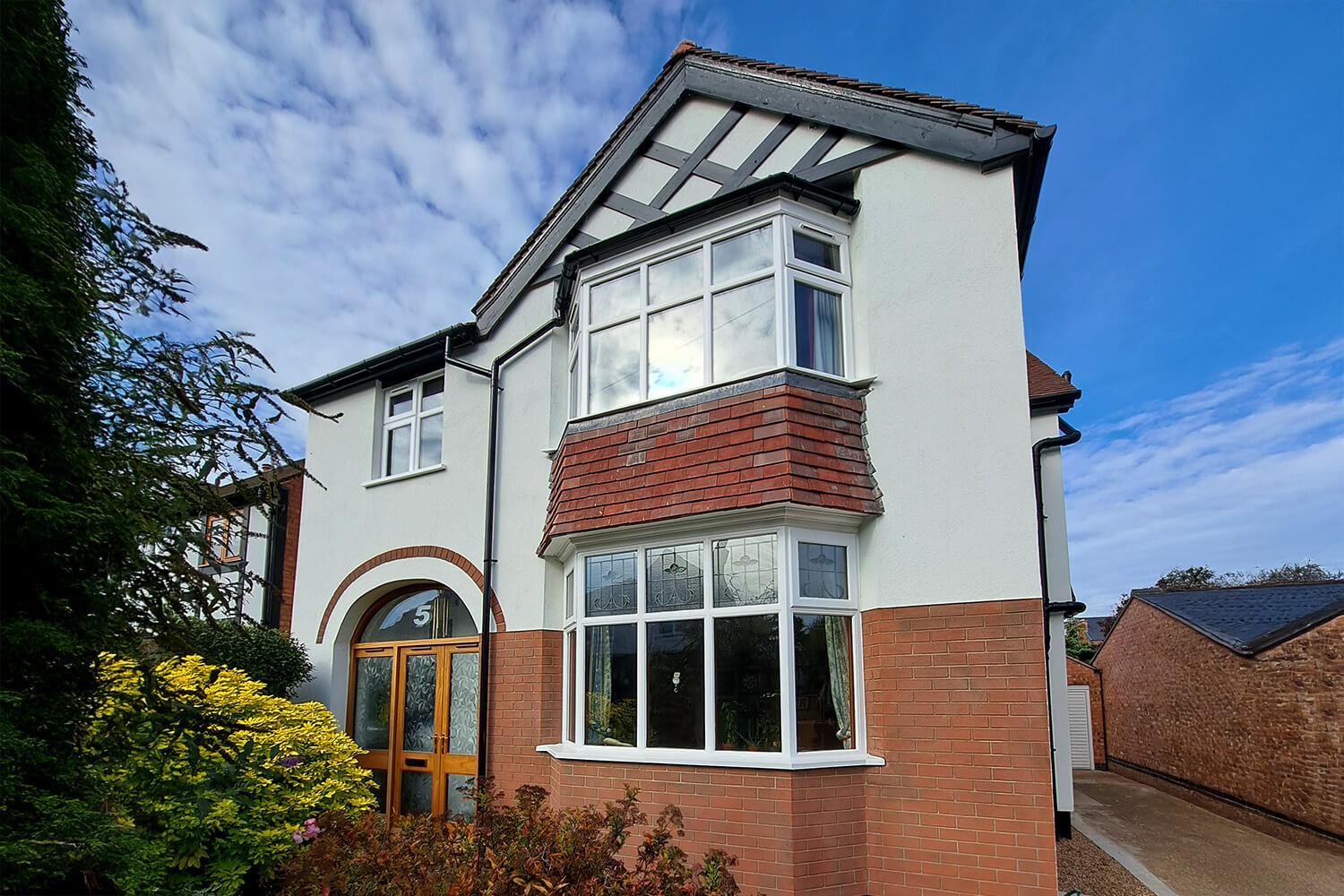
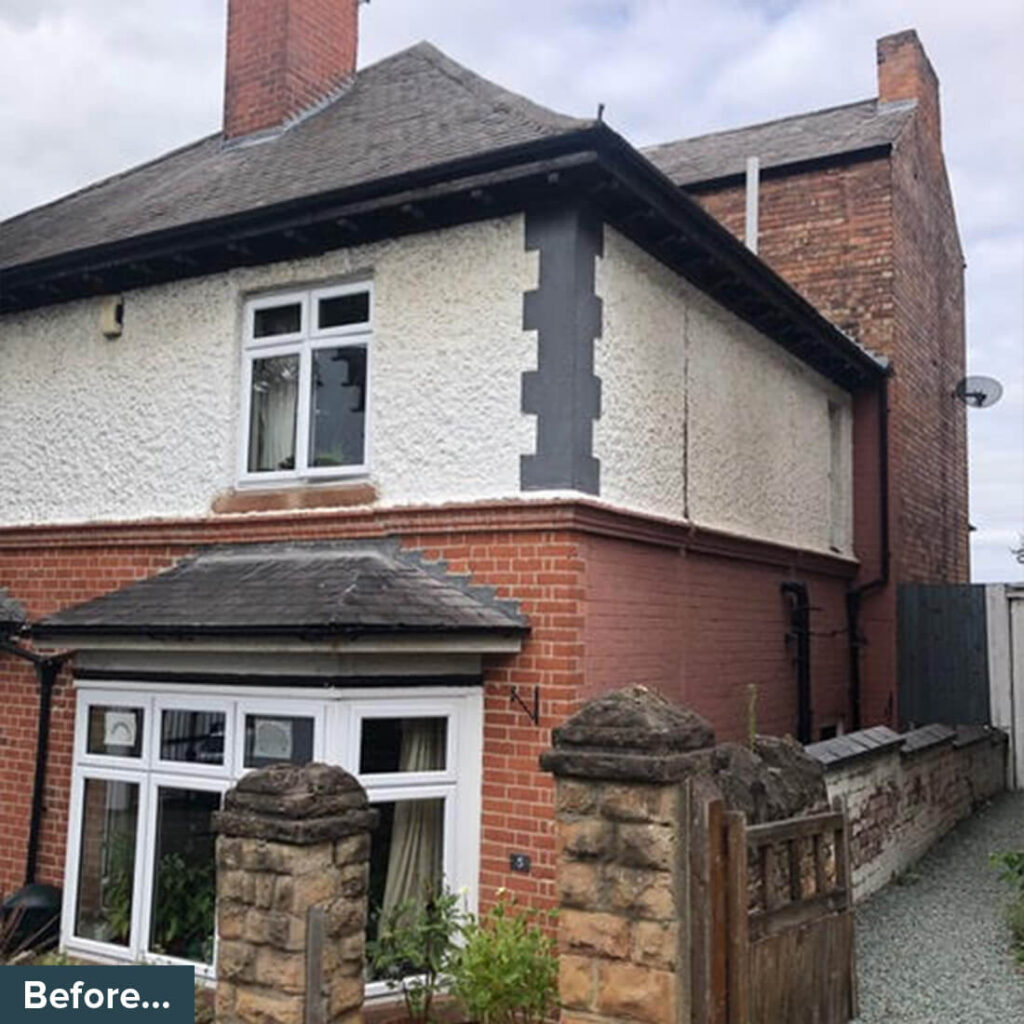
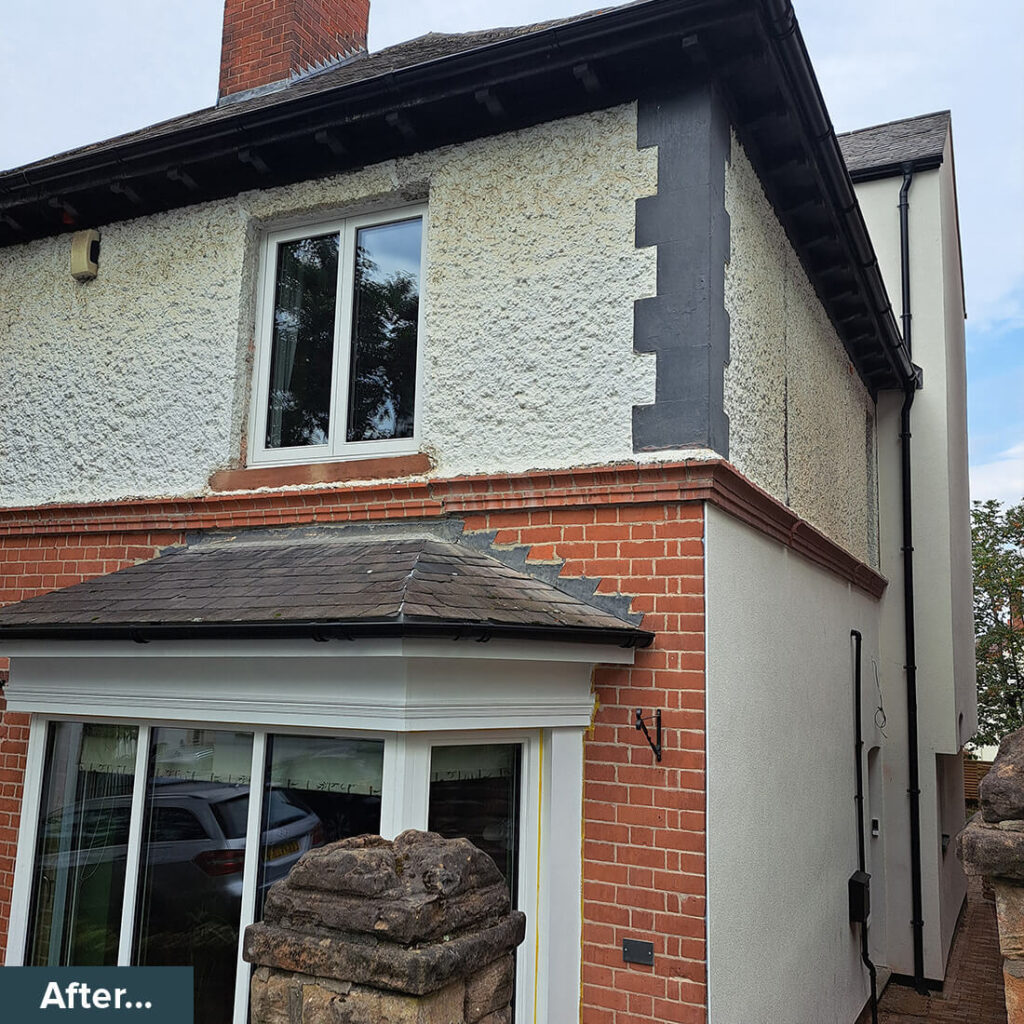
Set within the Mapperley Park Conservation Area, this Edwardian semi detached villa has been carefully transformed into a highly comfortable and energy efficient family home. Originally built with solid walls, a Welsh slate roof, and ageing double glazing, the property had become difficult to heat and expensive to run.
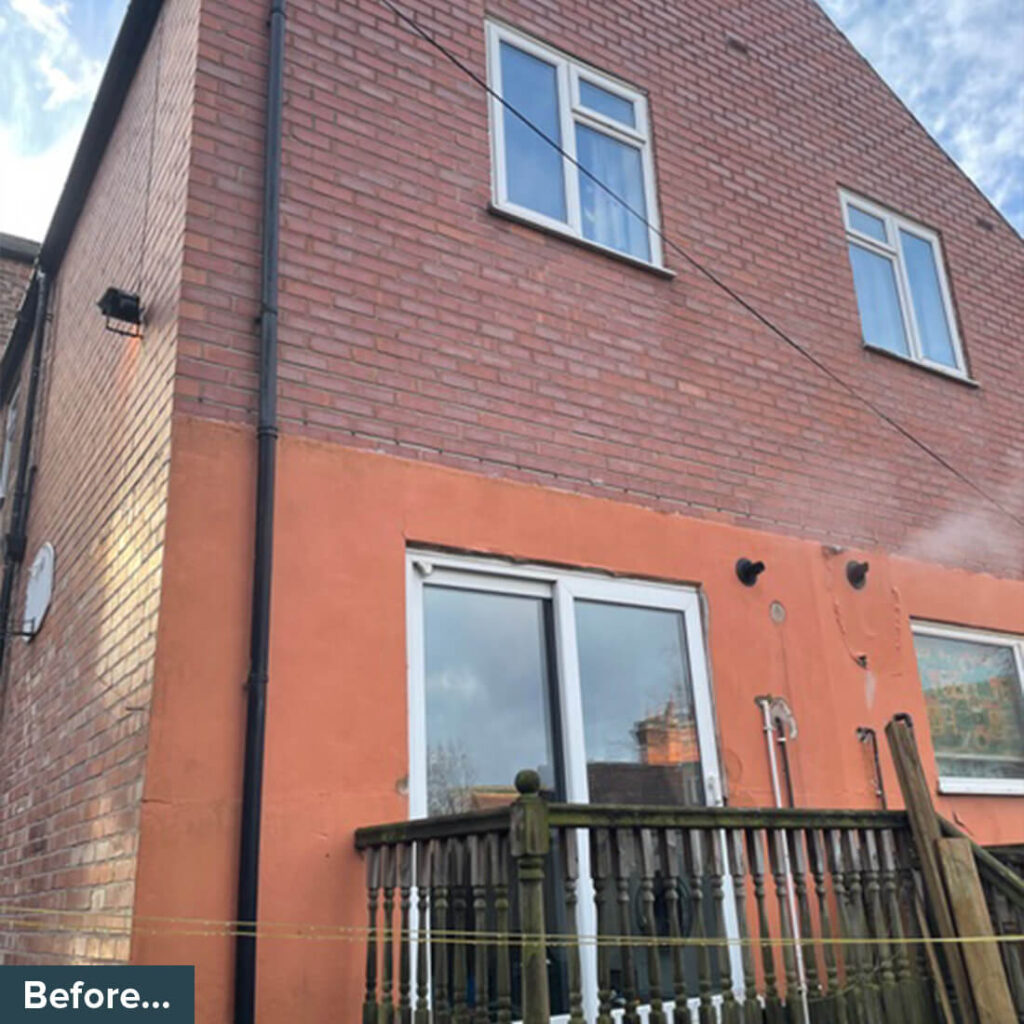
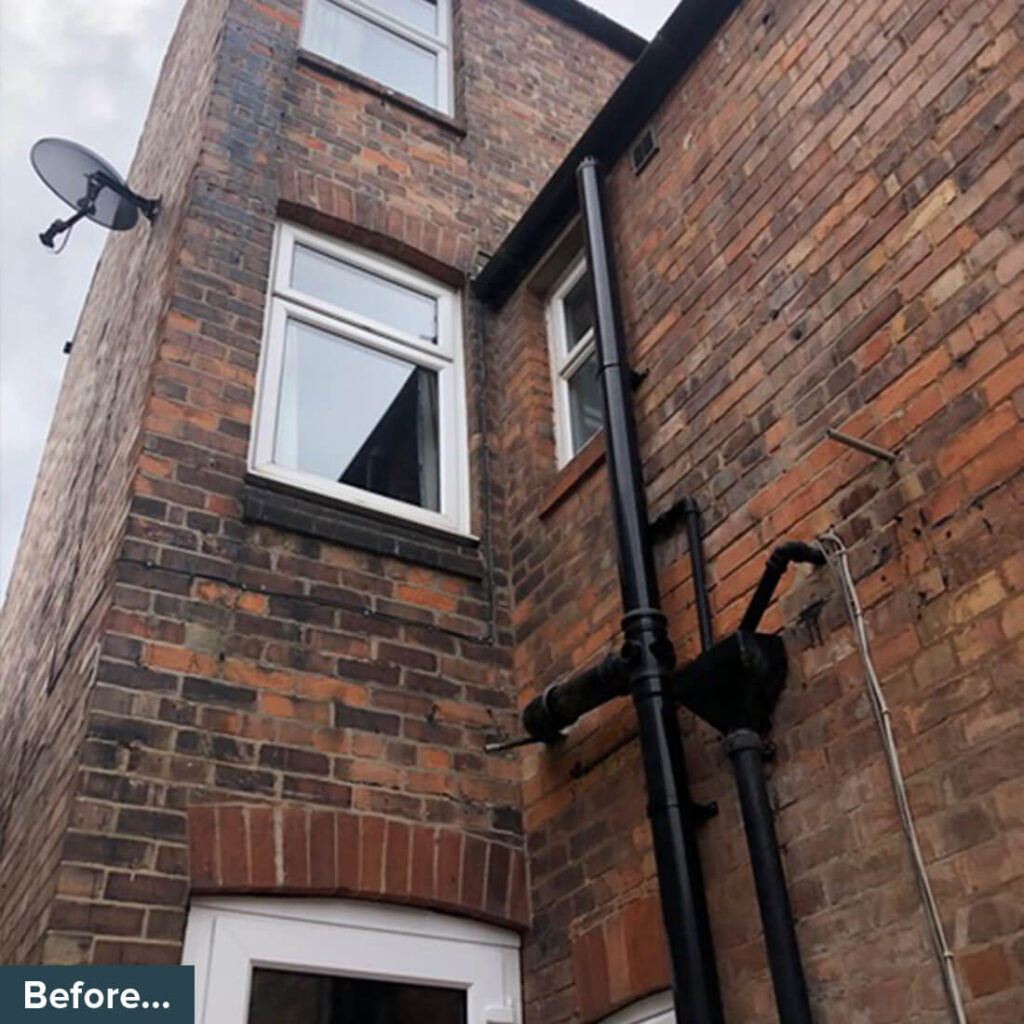
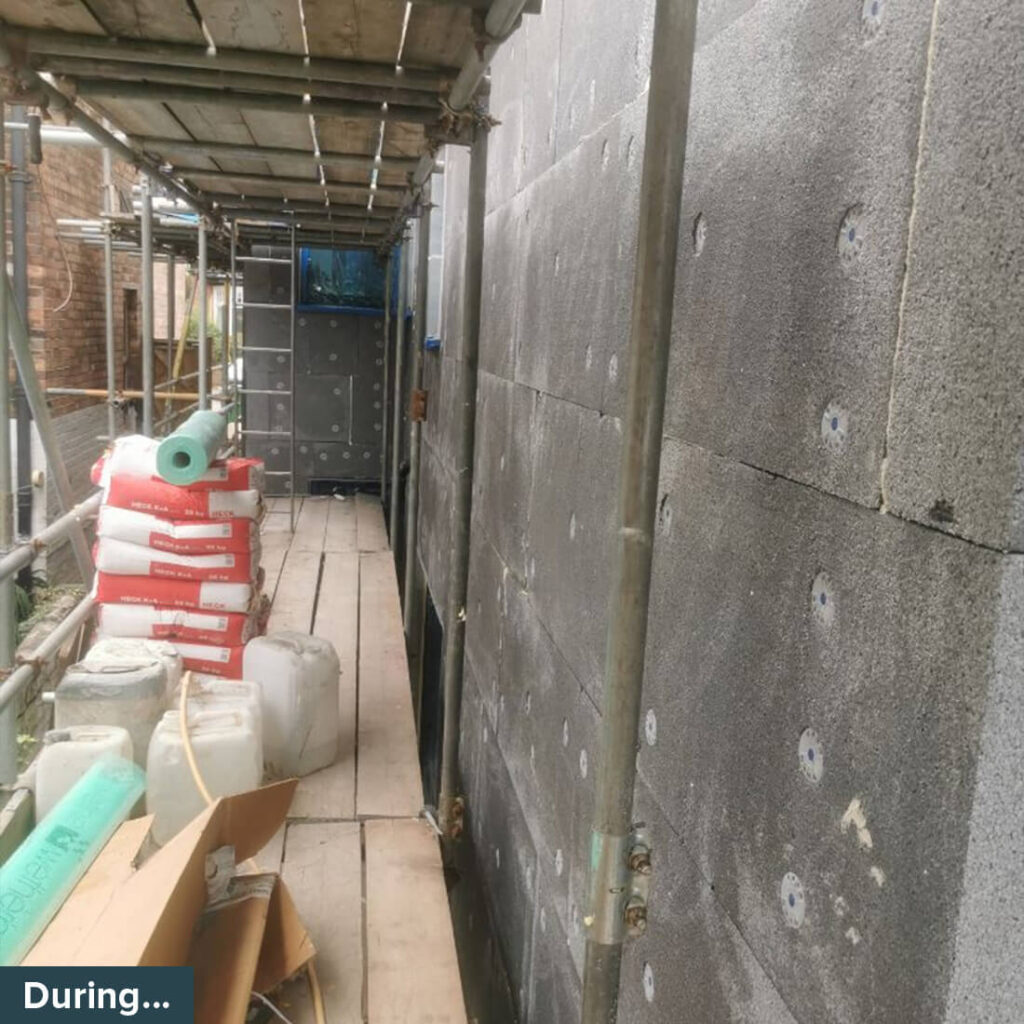
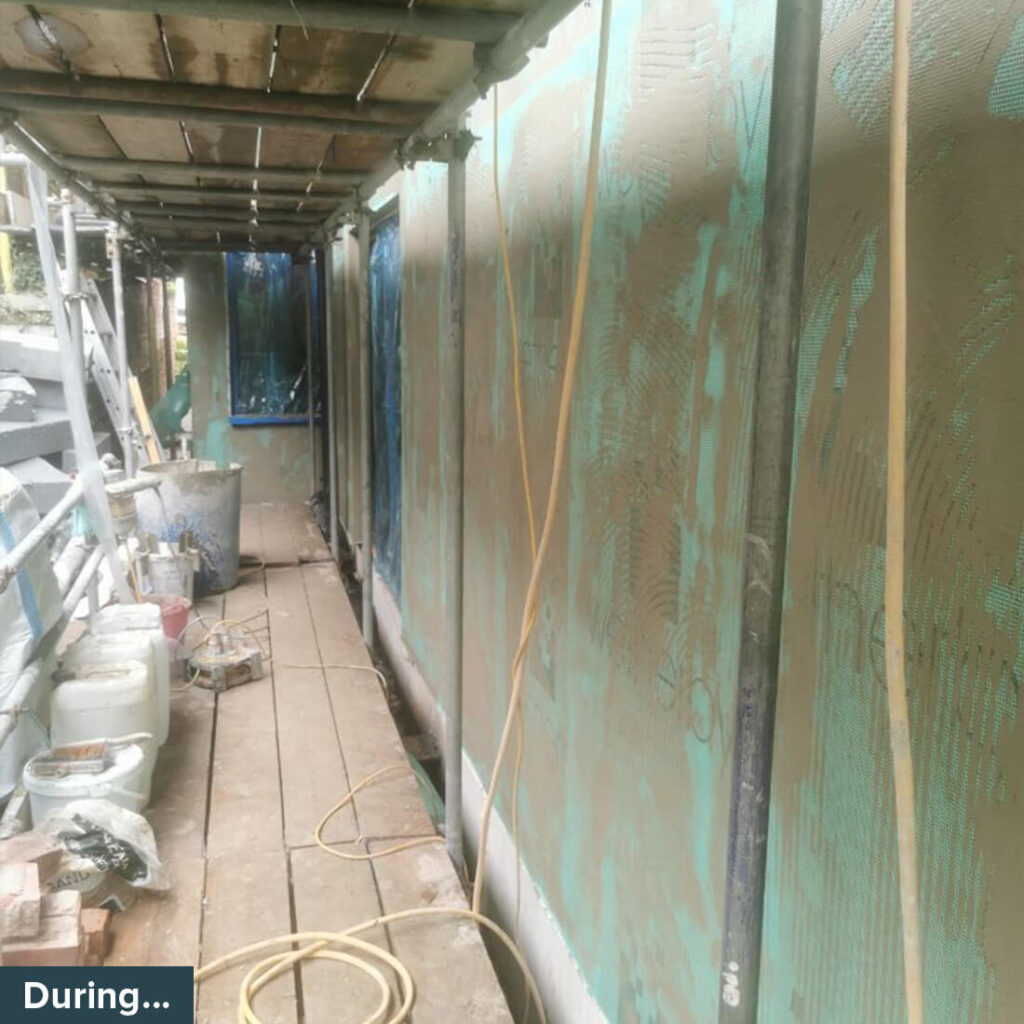
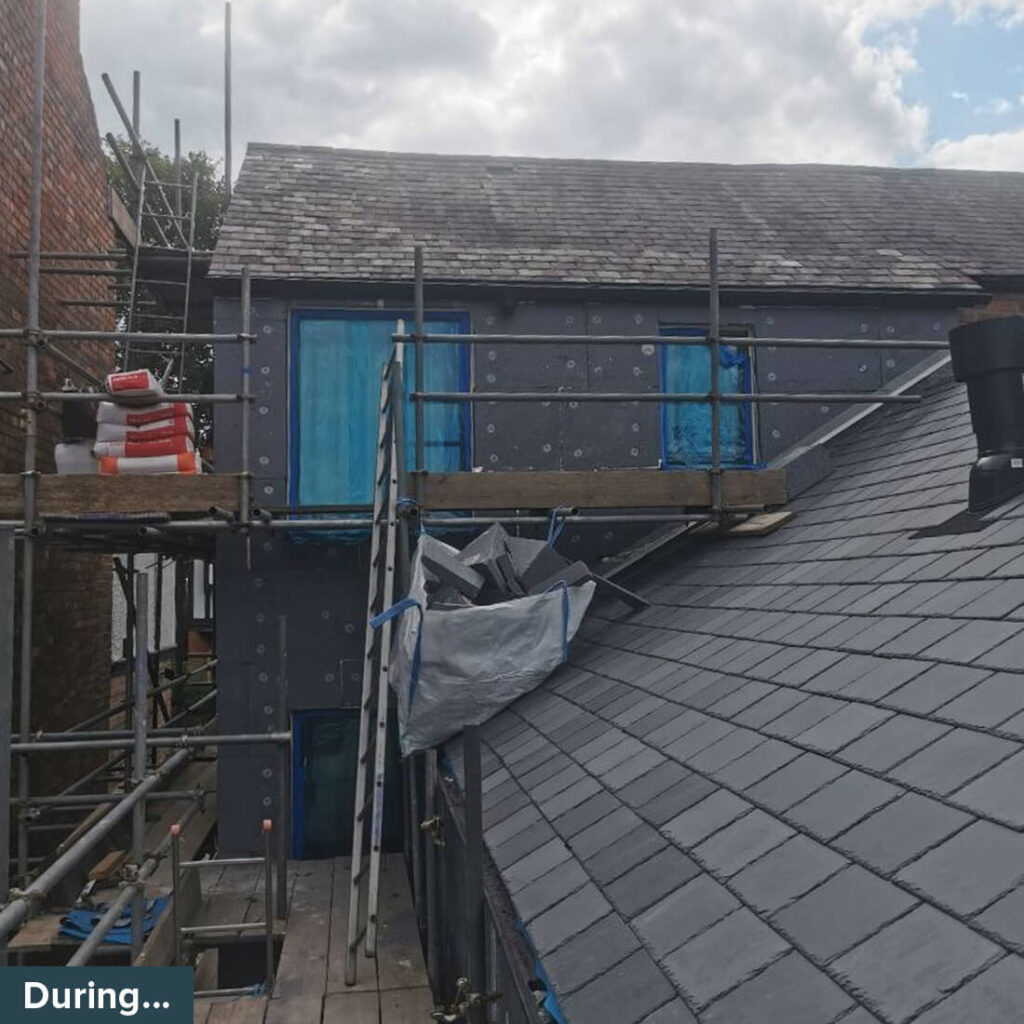
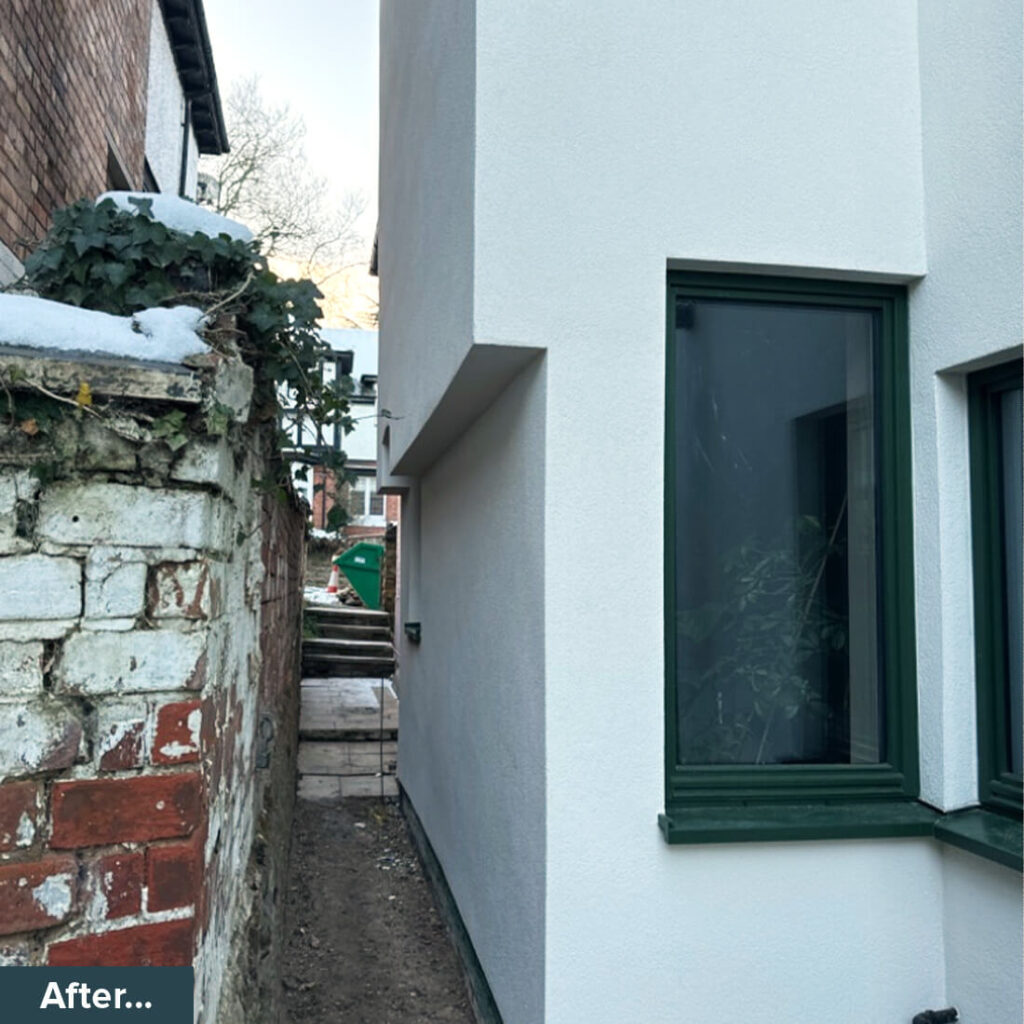
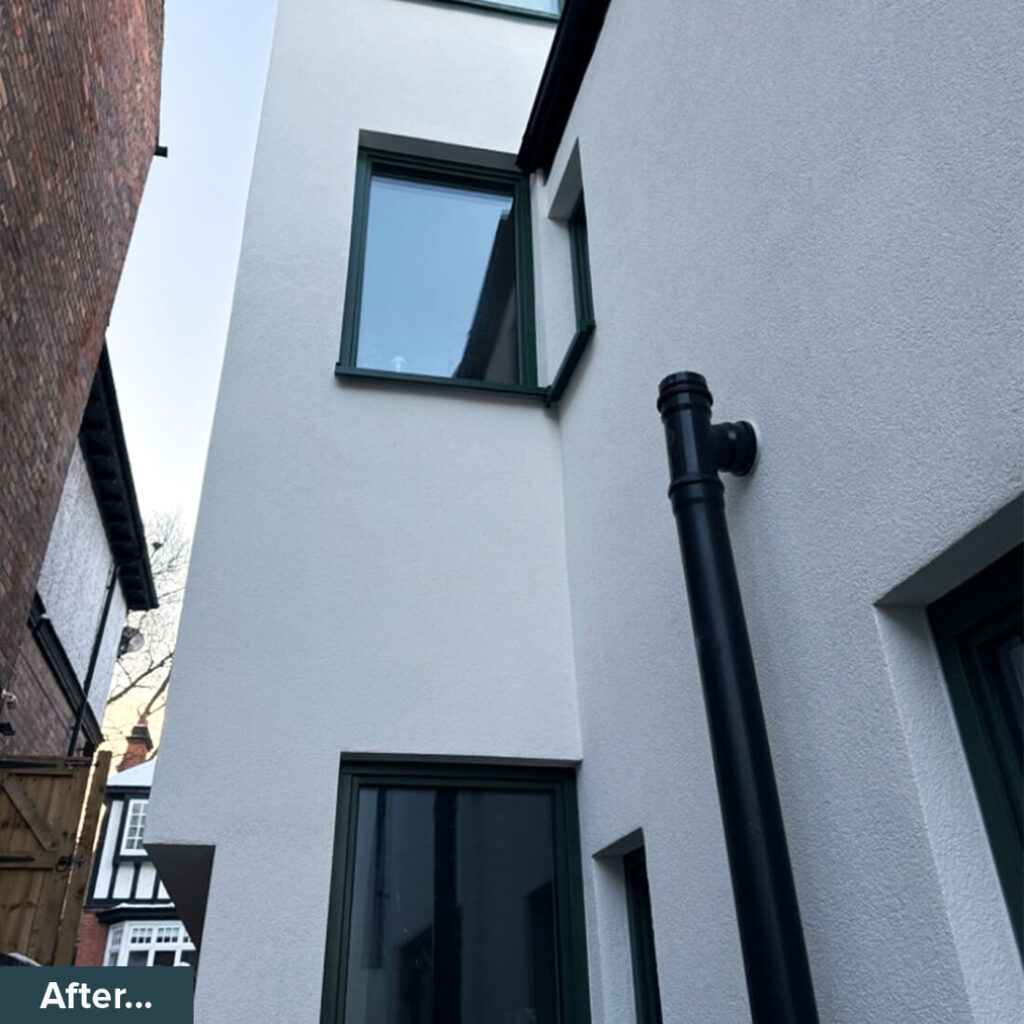
The homeowner approached architect Gil Schalom in late 2021 to explore ways of improving comfort and reducing energy use. What began as a discussion around targeted improvements quickly developed into a whole house, fabric first retrofit. Westville worked in close collaboration with Gil and the homeowner to deliver the external wall insulation and render finishes as part of a wider, deeply considered energy upgrade completed during 2024 and 2025.
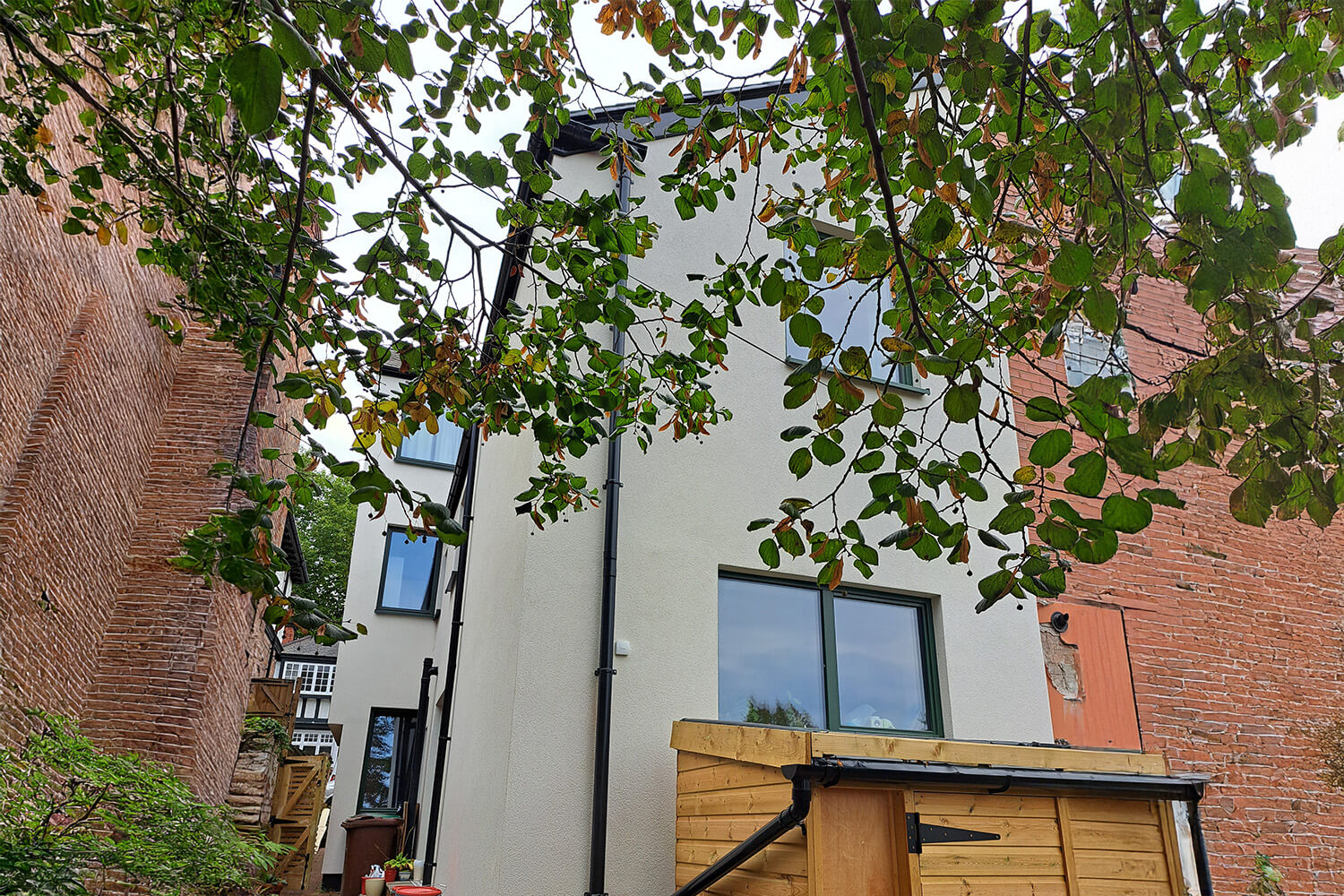
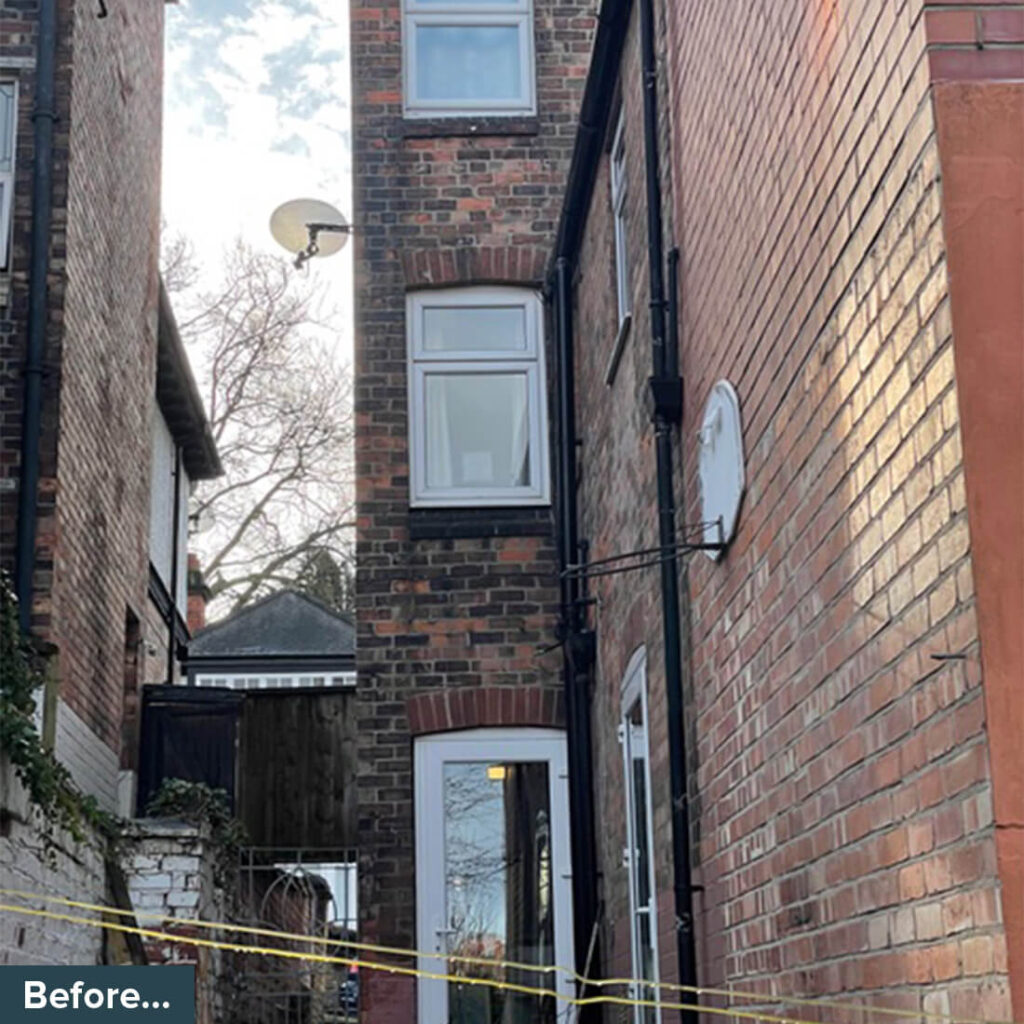
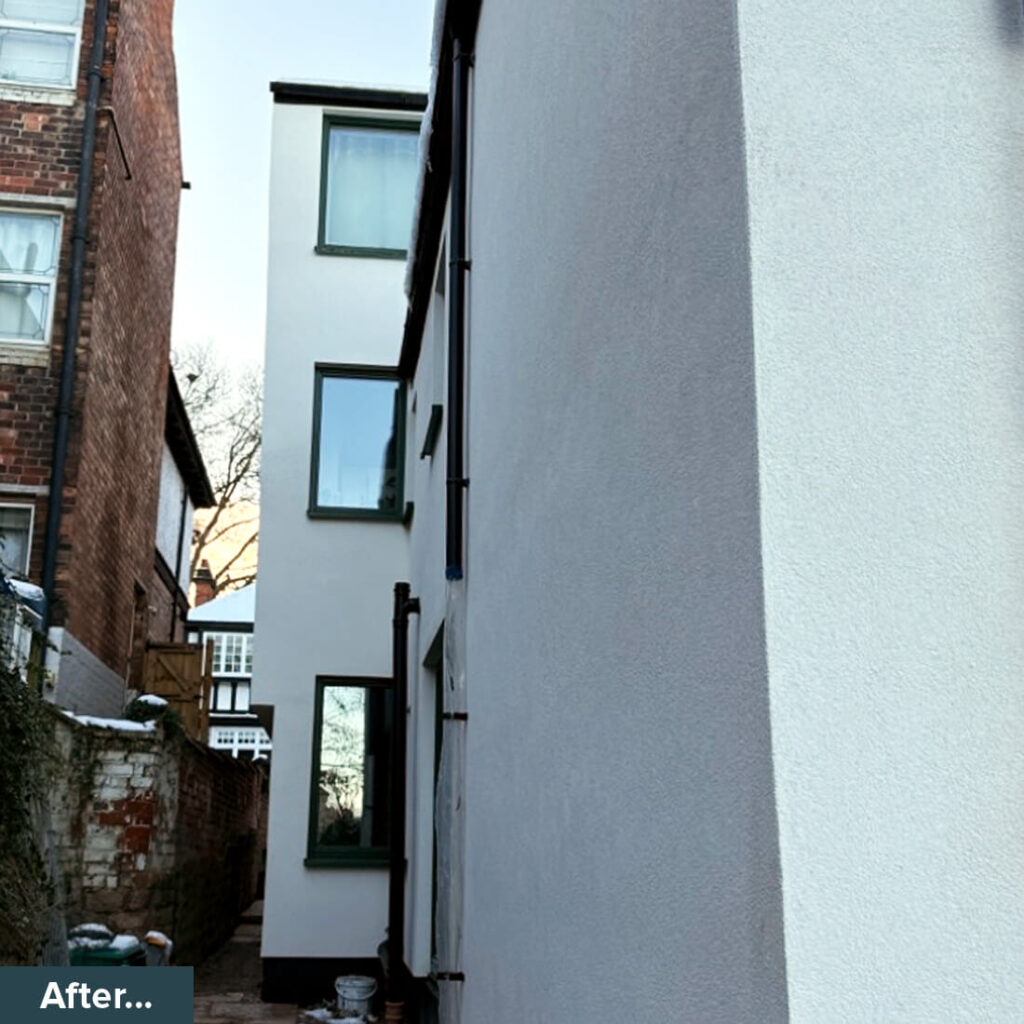
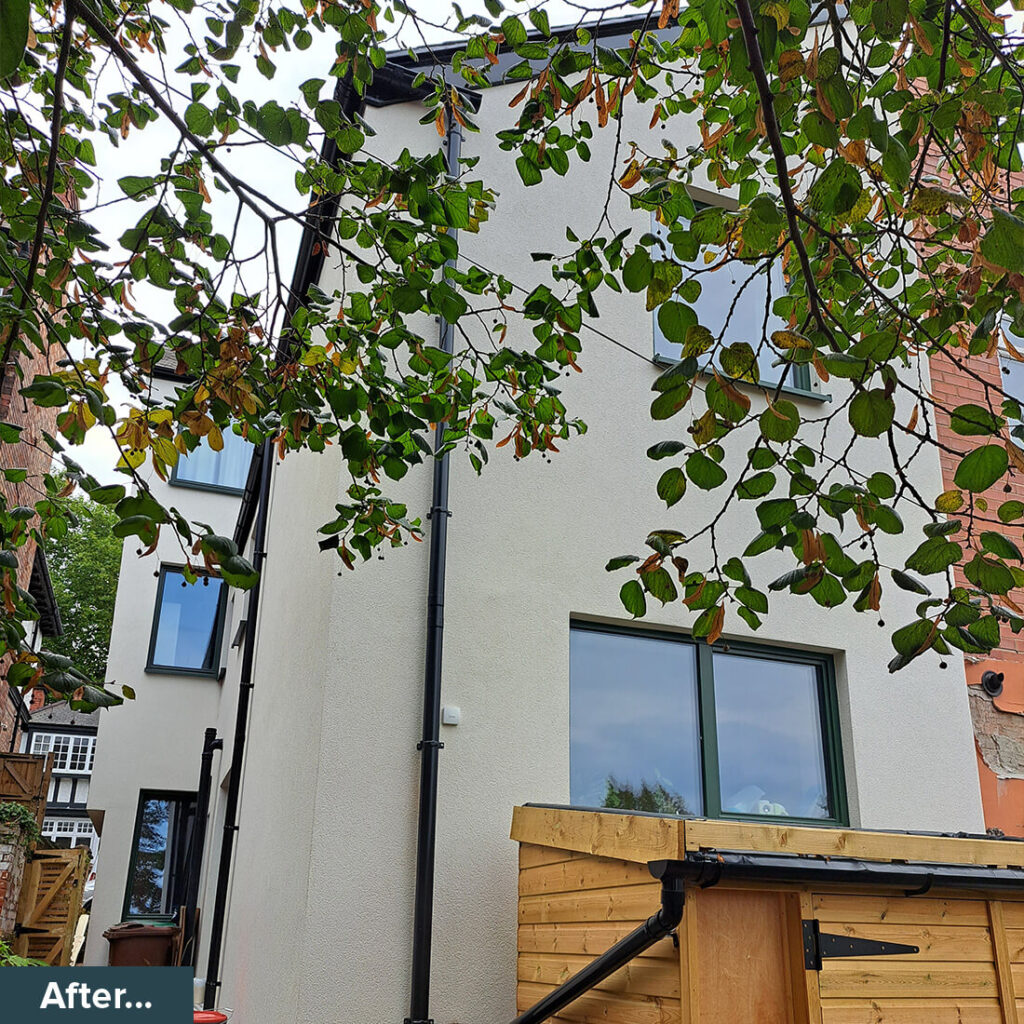
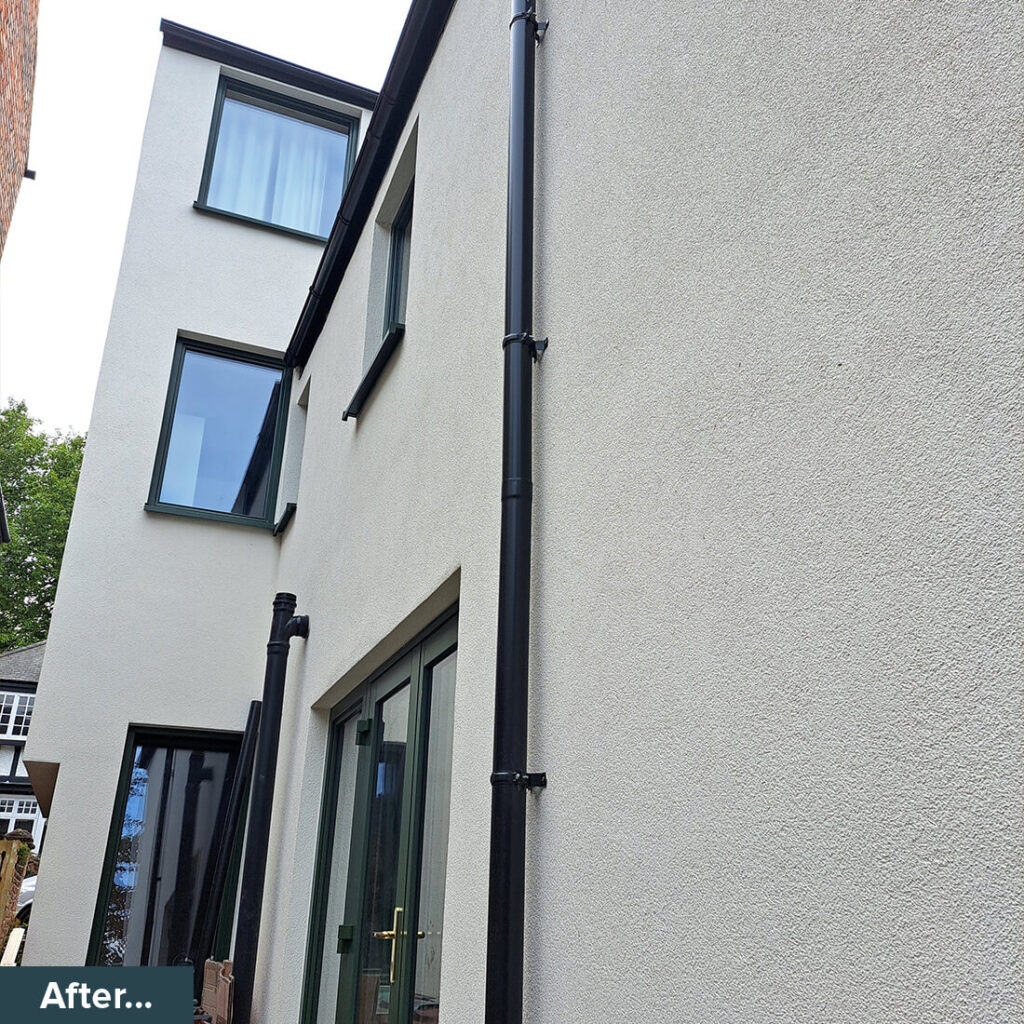
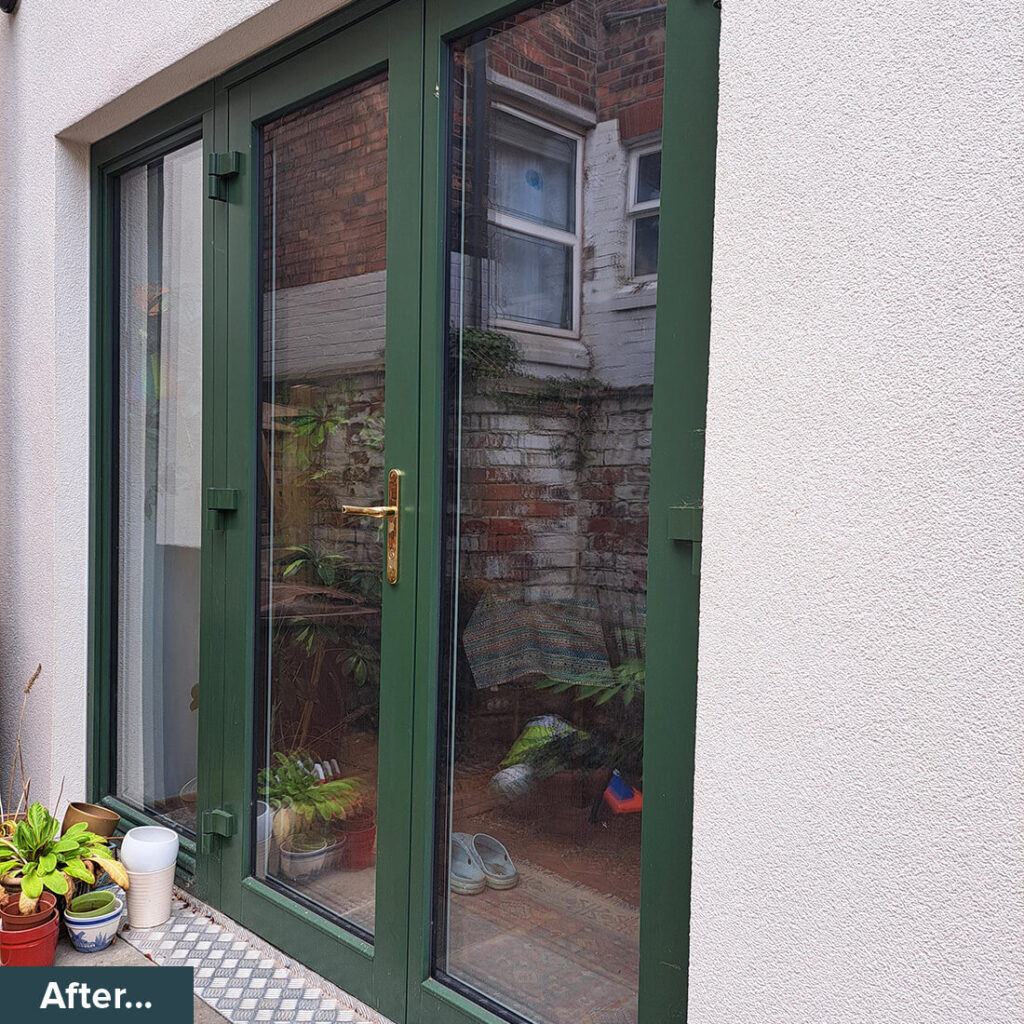
The house comprises three distinct external sections. A street facing front wing where conservation constraints required internal insulation, a three storey middle wing and a two storey rear wing. A large chimney was removed from the rear wing enabling an open plan kitchen diner while all the ground floors were upgraded to well insulated solid floors with underfloor heating throughout. Roof insulation was upgraded in various ways including at rafter level within the rear wing, allowing the creation of a new plant room for the whole-house ducted heat recovery system and air source heat pump water vessels. High performance triple glazing and air tightness measures throughout complement a mix of internal and external wall insulation.
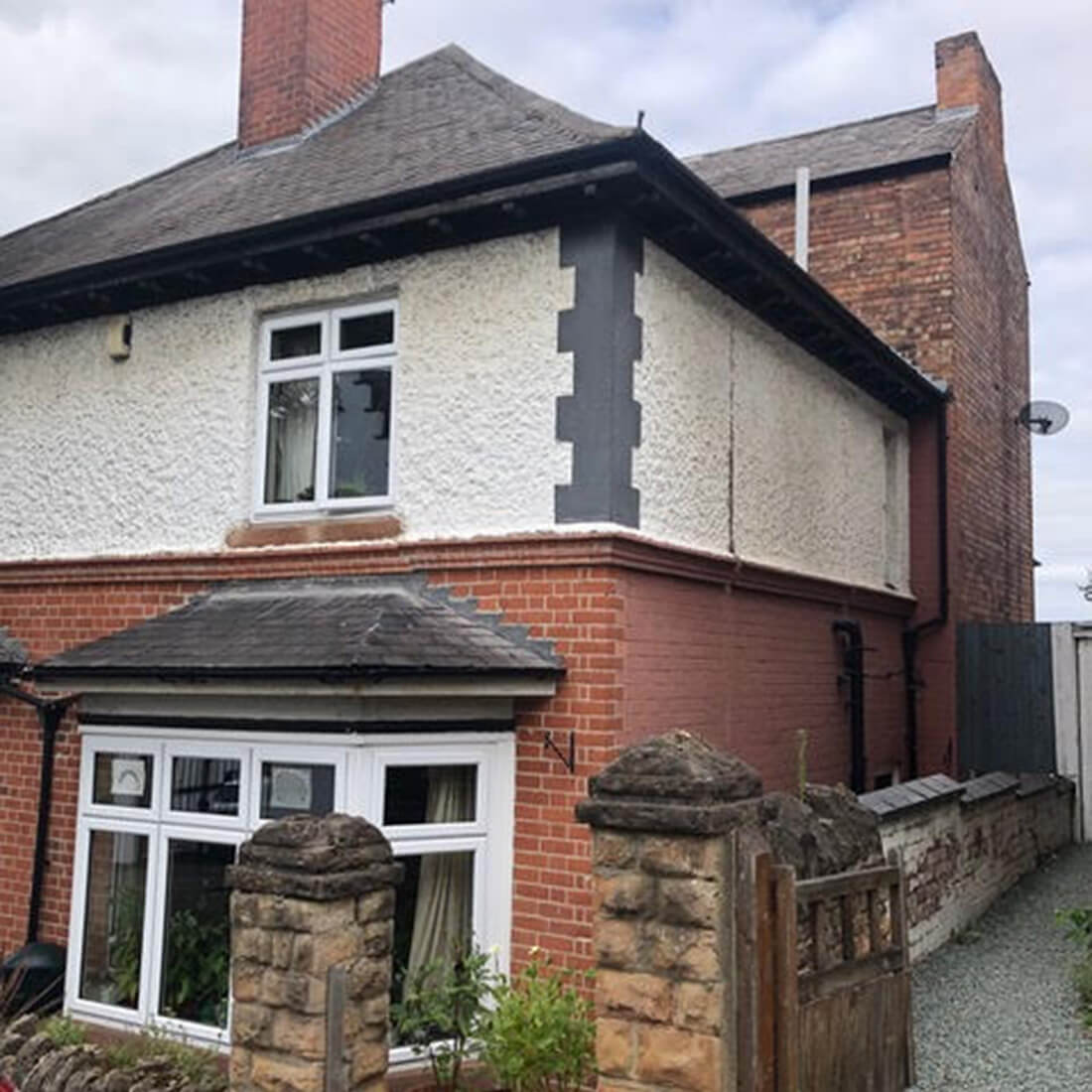
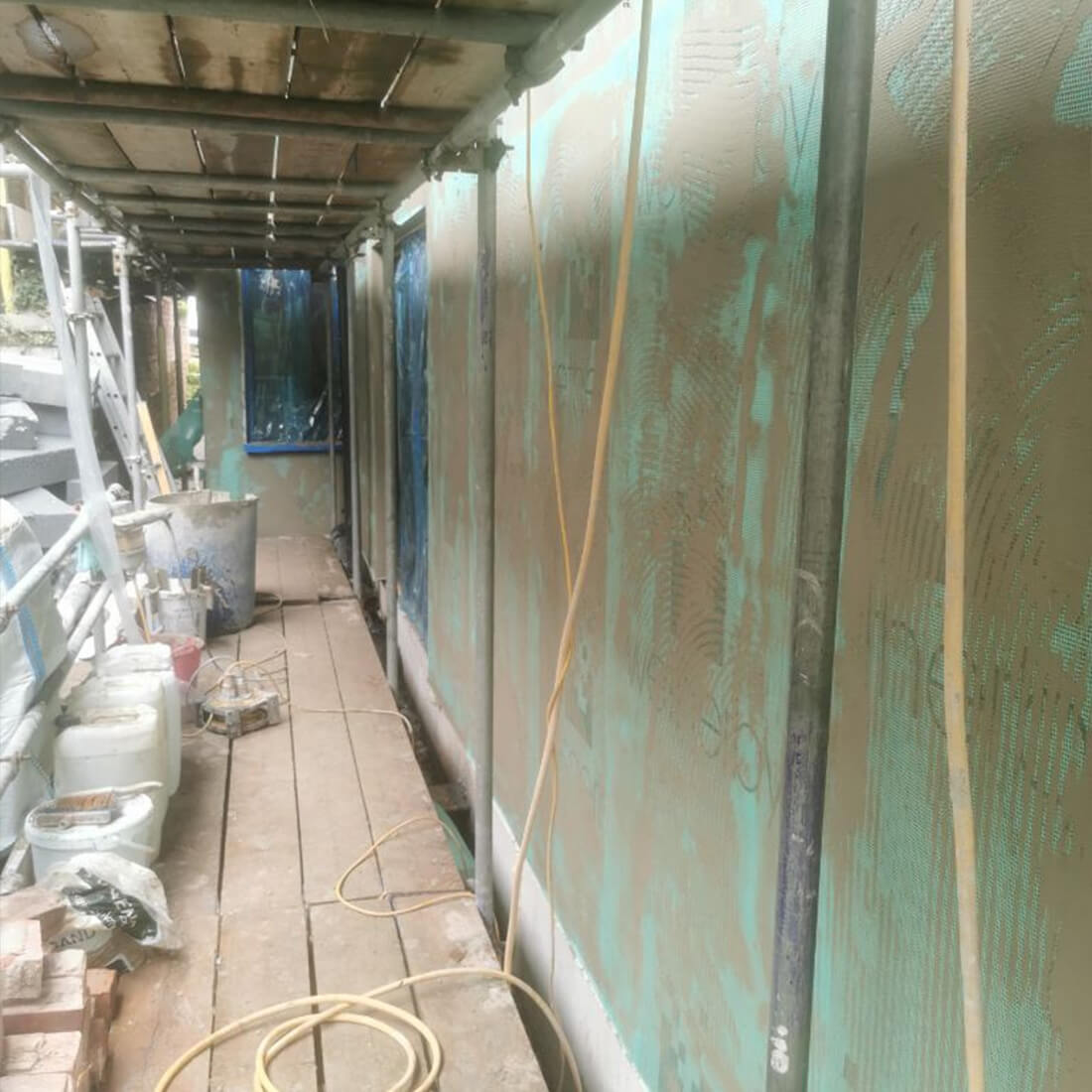
Working within a Conservation Area placed clear limits on how the building could be altered, particularly to the front elevation where changes needed to be visually minimal. Geometry also played a role, with narrow side access restricting insulation thickness in certain areas.
During strip out, suspected asbestos was discovered within an old flat roof structure. All works were paused until specialist surveys confirmed it was safe to proceed. In addition, the existing gas boiler failed before construction began. Rather than installing a temporary replacement, the decision was taken to wait for the new air source heat pump system, presenting short term challenges for the household but supporting the long term retrofit strategy.

Commercial Manager
Scott leads the commercial team at Westville and is responsible for quantity surveying, pricing and mobilising work on individual properties and larger project schemes.
He has worked closely with Gil Schalom for several years to ensure every detail is covered before work commences, to partner with Gils outstanding reputation for the highest standards of workmanship and customer service on every project.
The completed home now delivers consistent comfort throughout the year, remaining warm in winter and cool even during periods of extreme heat. The whole house measures have created a quiet, draught free, healthy internal environment that promotes wellbeing.
This project is a strong example of how heritage homes can be upcycled for modern living. Through a whole house, fabric first approach, the property has been made fit for purpose for the twenty first century while retaining its architectural character.

Annual energy consumption has been reduced dramatically, falling from around 27,000 kilowatt hours per year to approximately 7,100.*
This 74% overall energy saving has been achieved through a combination of deep fabric improvements and the replacement of the existing gas boiler with a highly efficient air source heat pump system.
In 2025, the air source heat pump recorded an electrical consumption of just 1,943kWh for both space heating and hot water, while delivering 7,930kWh of useful heat energy. This equates to a seasonal coefficient of performance (sCoP) of 4.02, meaning the system produces over four units of heat for every unit of electricity consumed.
When compared to the property’s previous gas usage, the energy savings specifically for heating and hot water amount to 91%. As a result, the home’s carbon footprint has been significantly reduced, delivering long-term environmental and cost benefits.
*Source - the homeowner.
We’ve had the opportunity to work on some inspiring projects with some fantastic residential clients, businesses and local authorities.