
Westville Case Study:
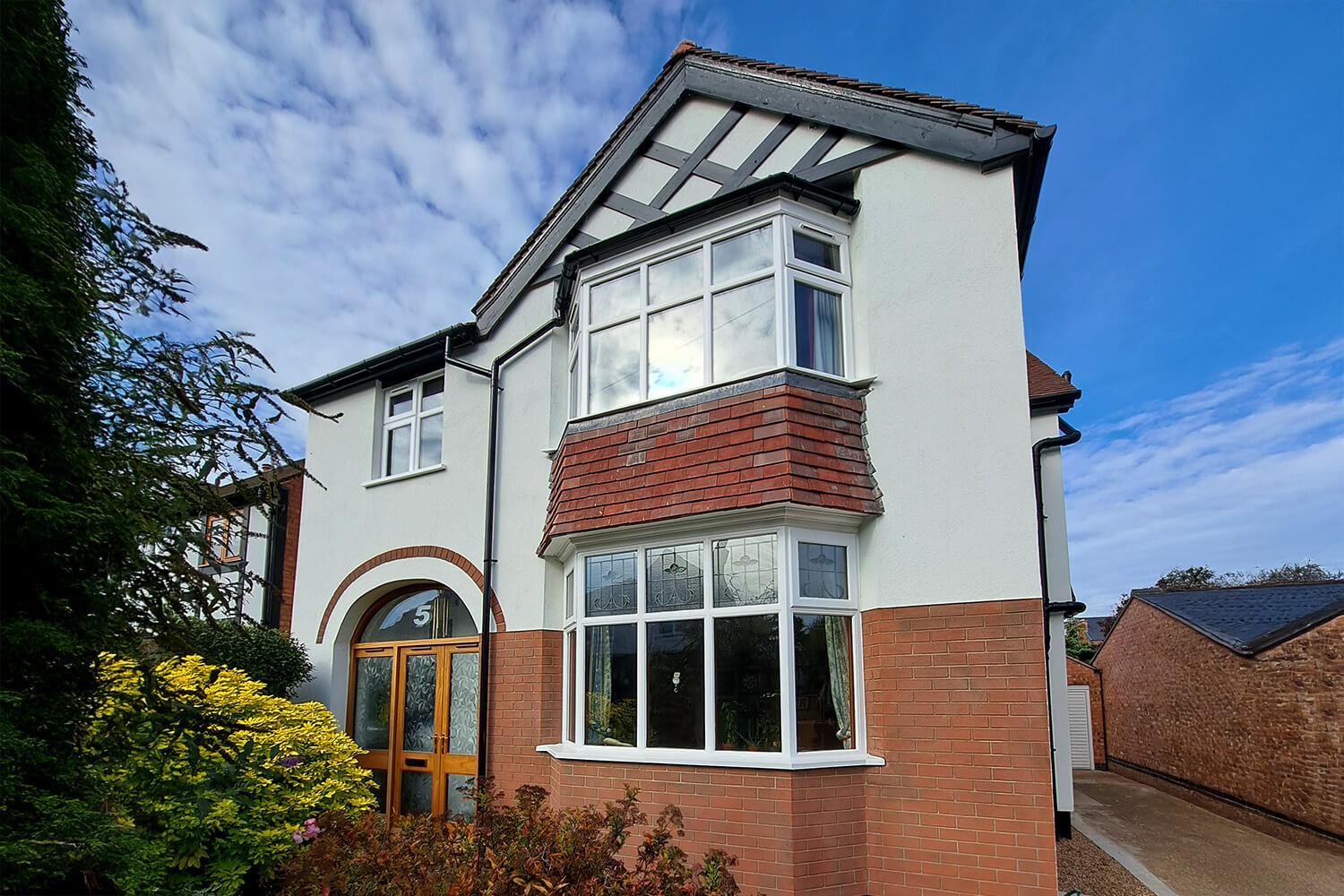
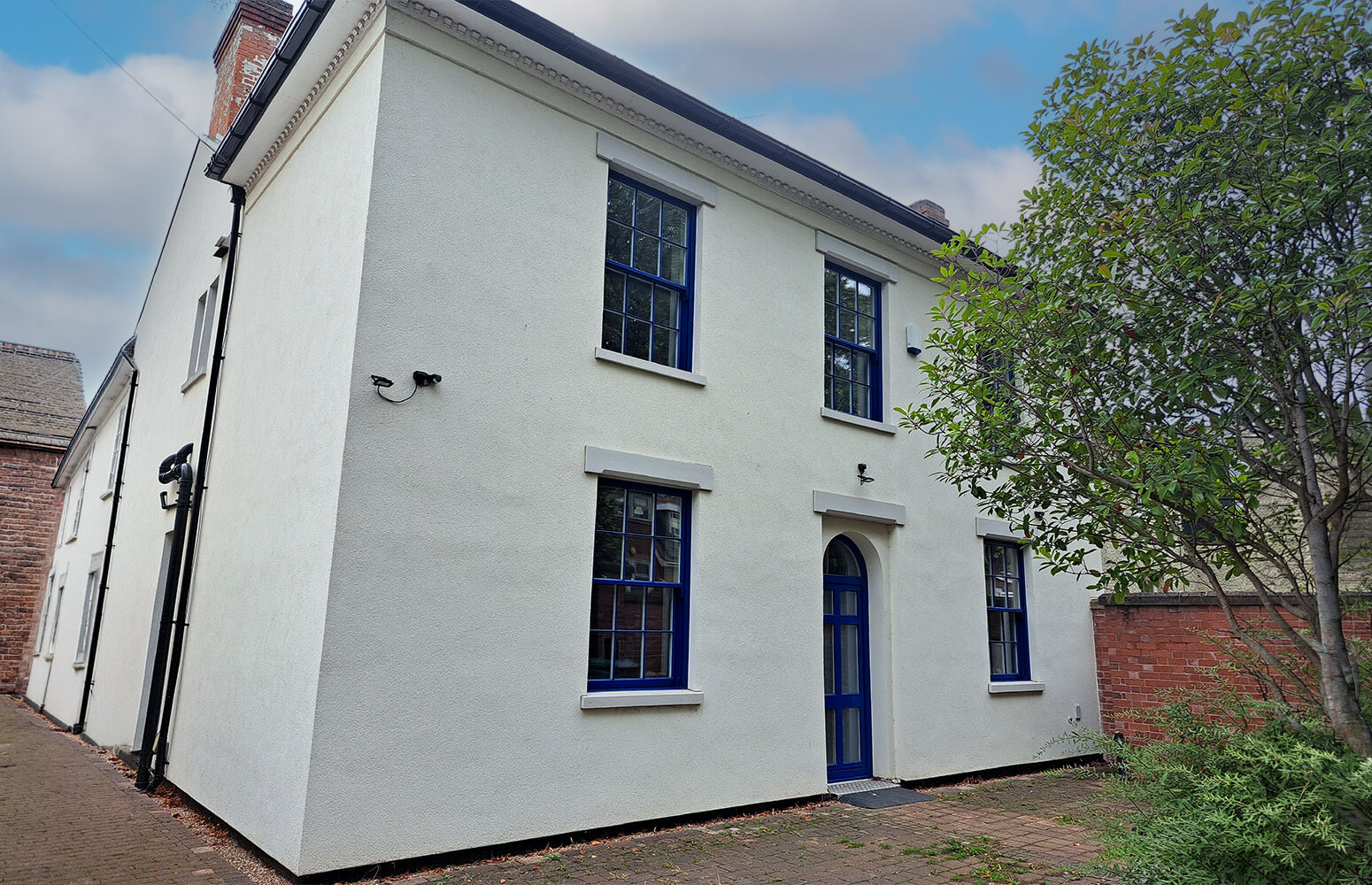
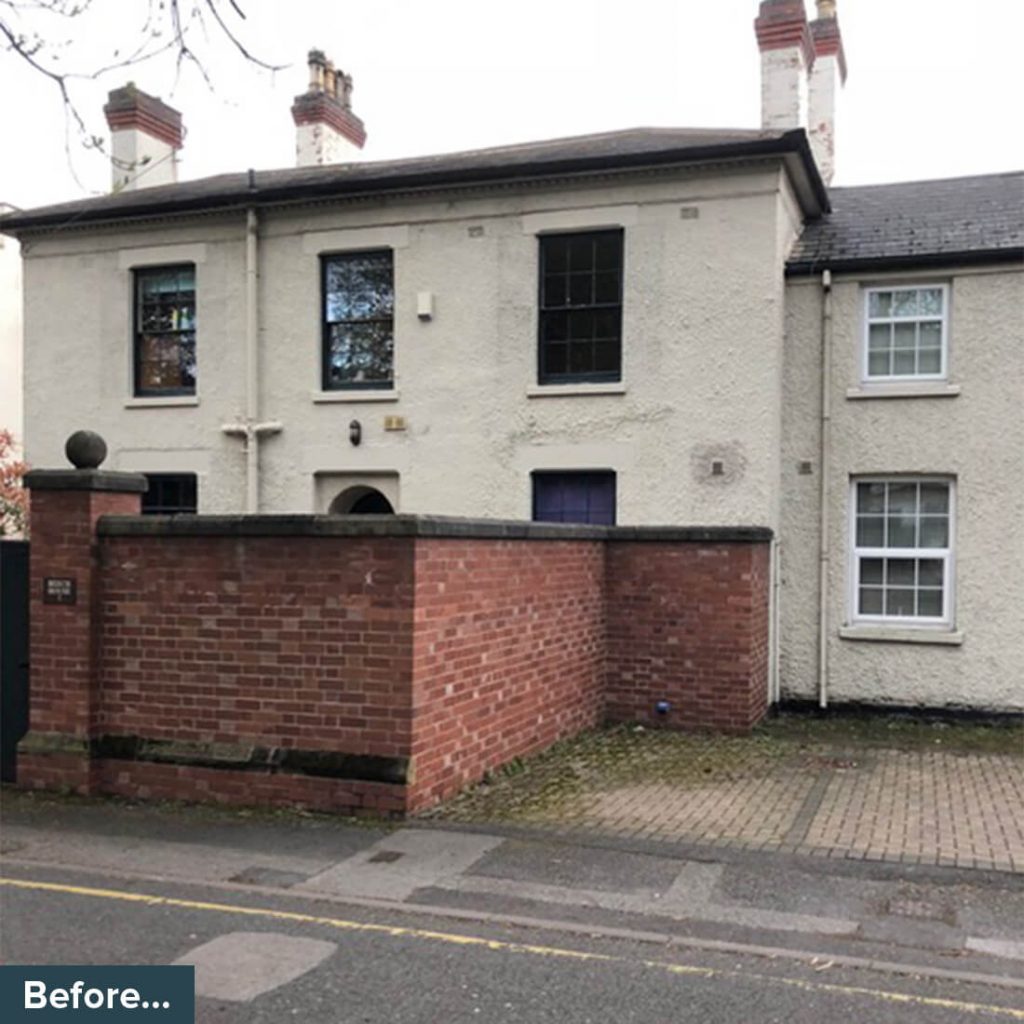
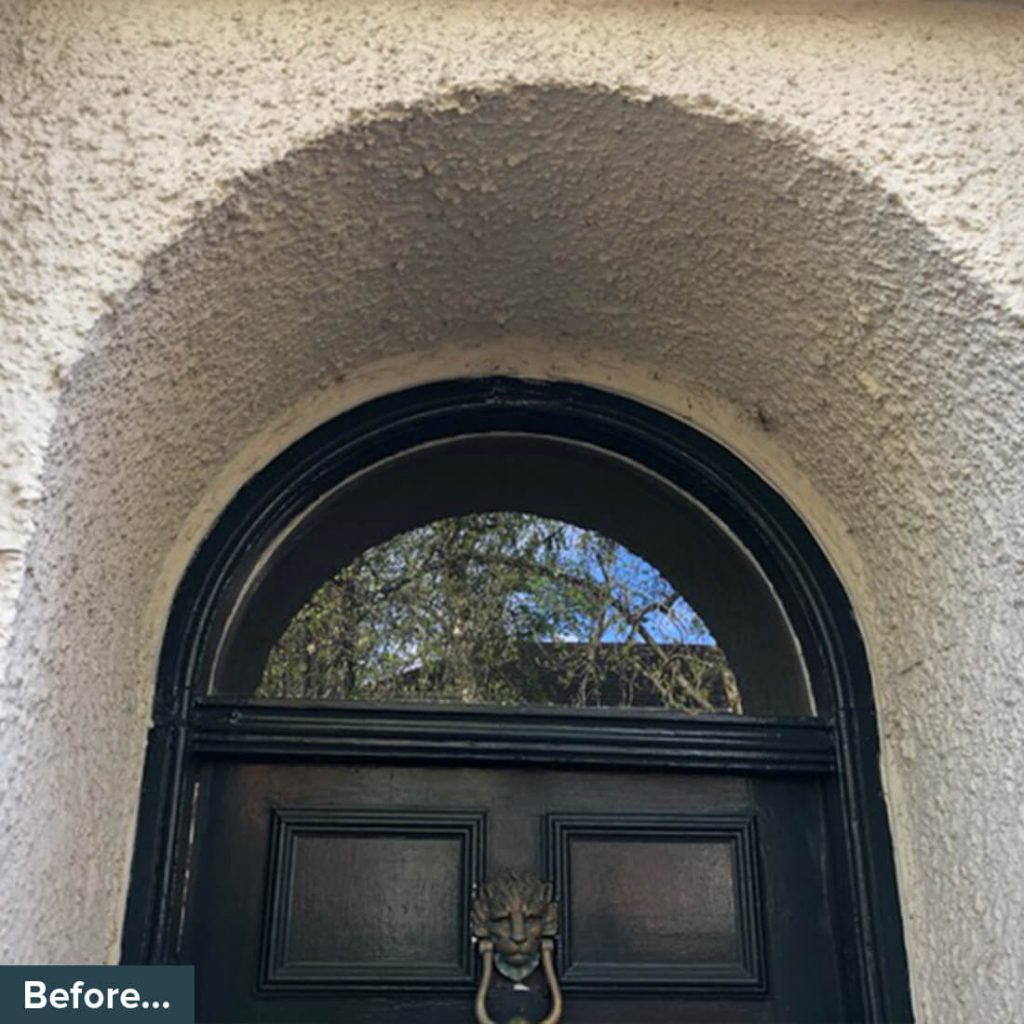
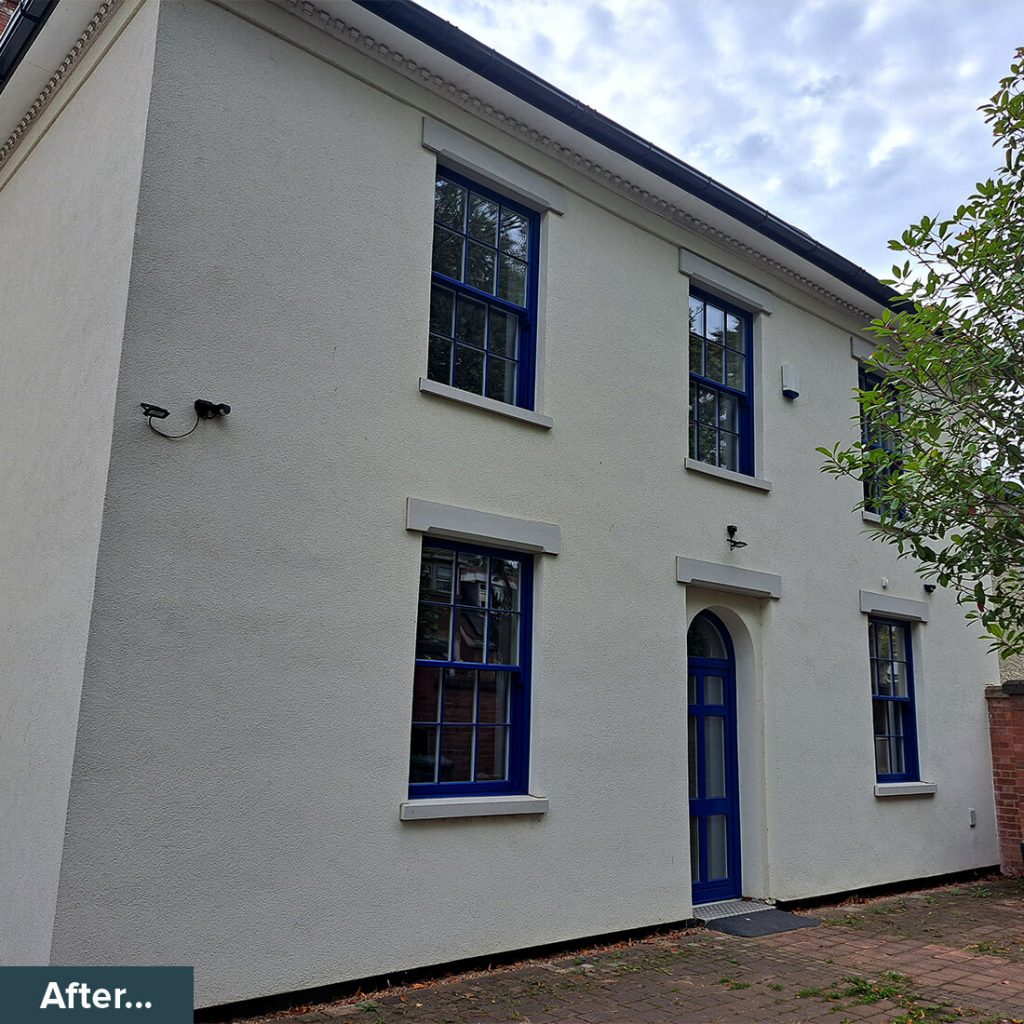
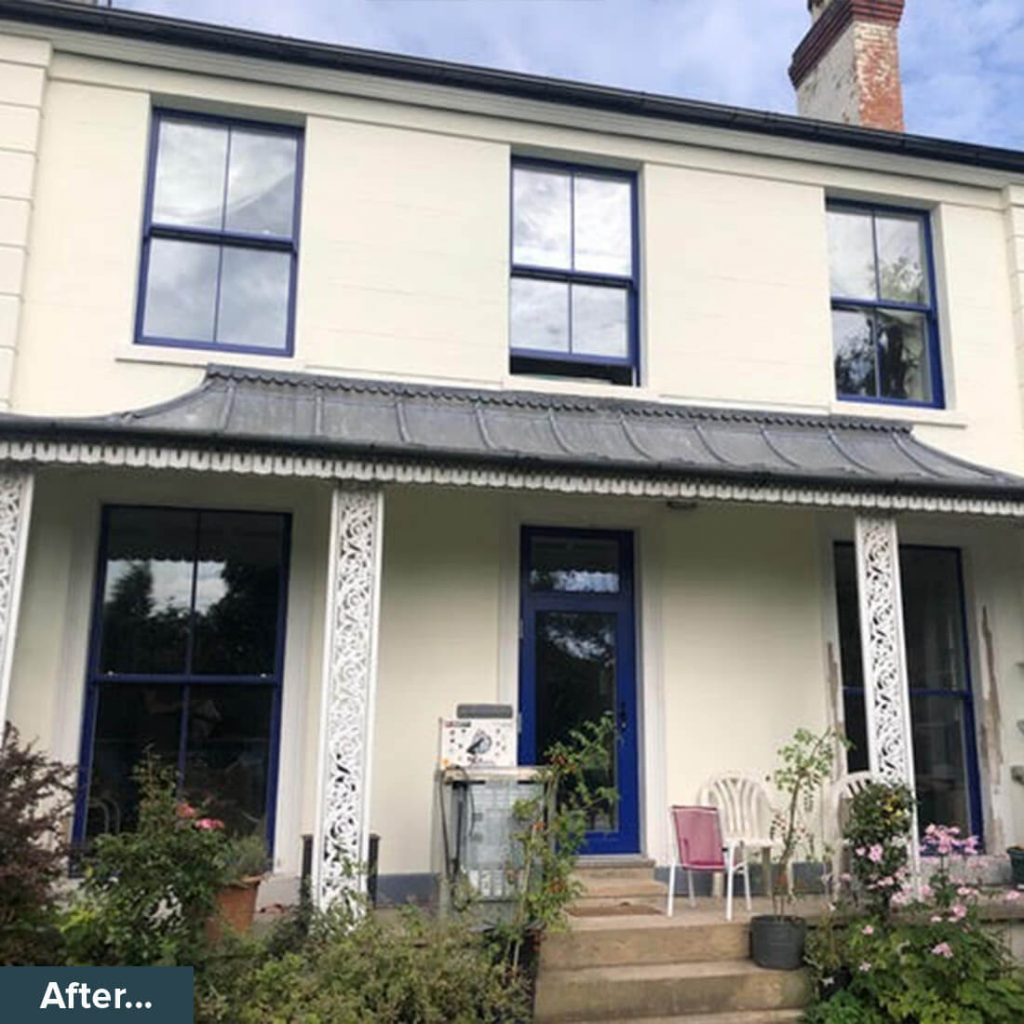
Located in the Forest Fields Conservation Area, this elegant Victorian semi-detached home has been carefully upgraded to combine 19th-century charm with 21st-century efficiency. Designed and managed by architect Gil Schalom, the project set out to create a comfortable, low-energy ‘forever home’ for the owners while preserving the property’s historic character.
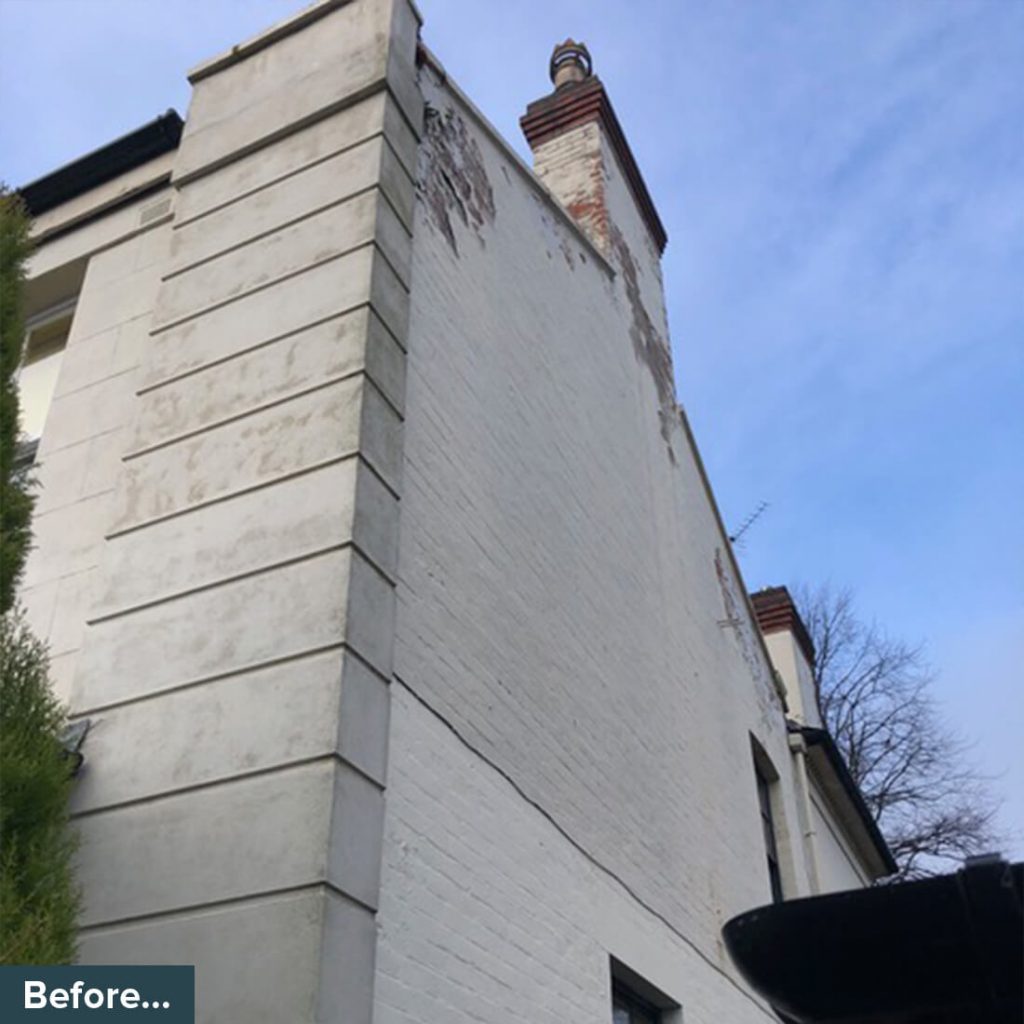
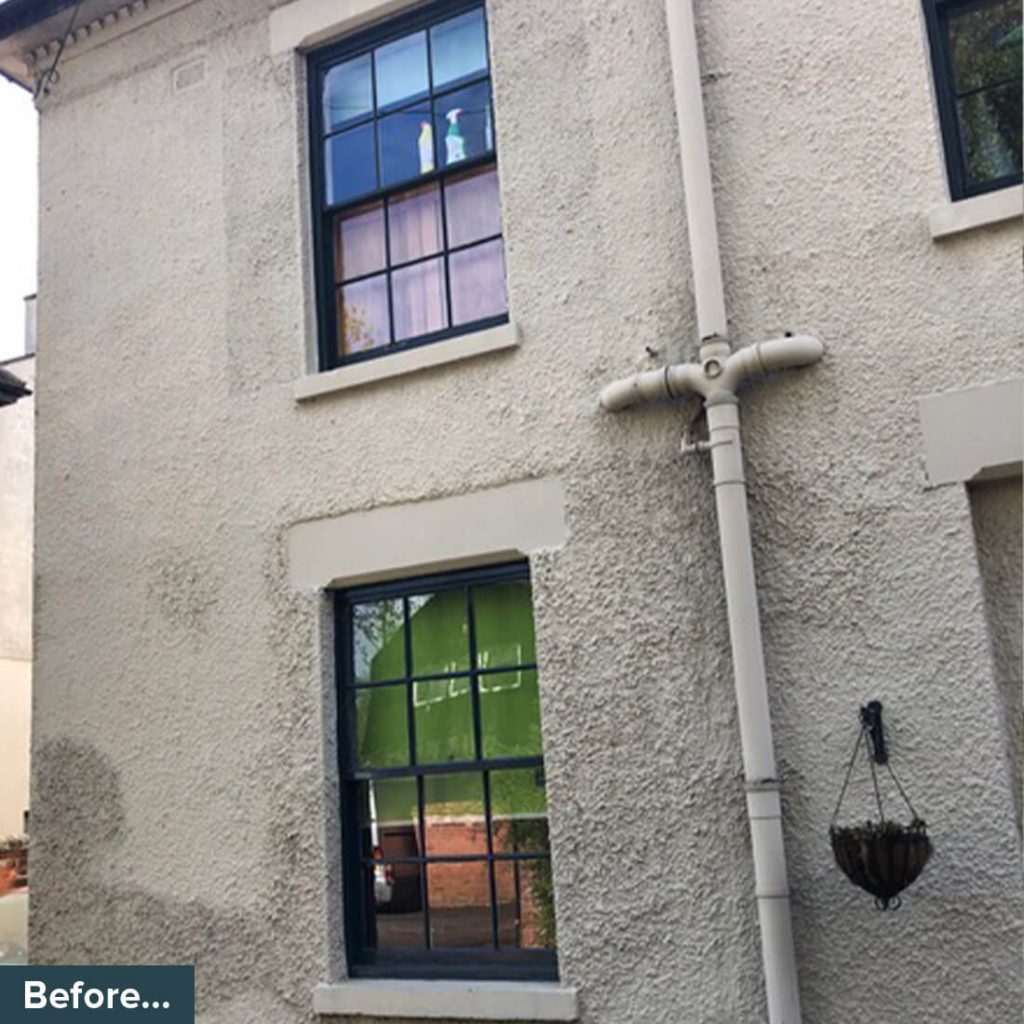
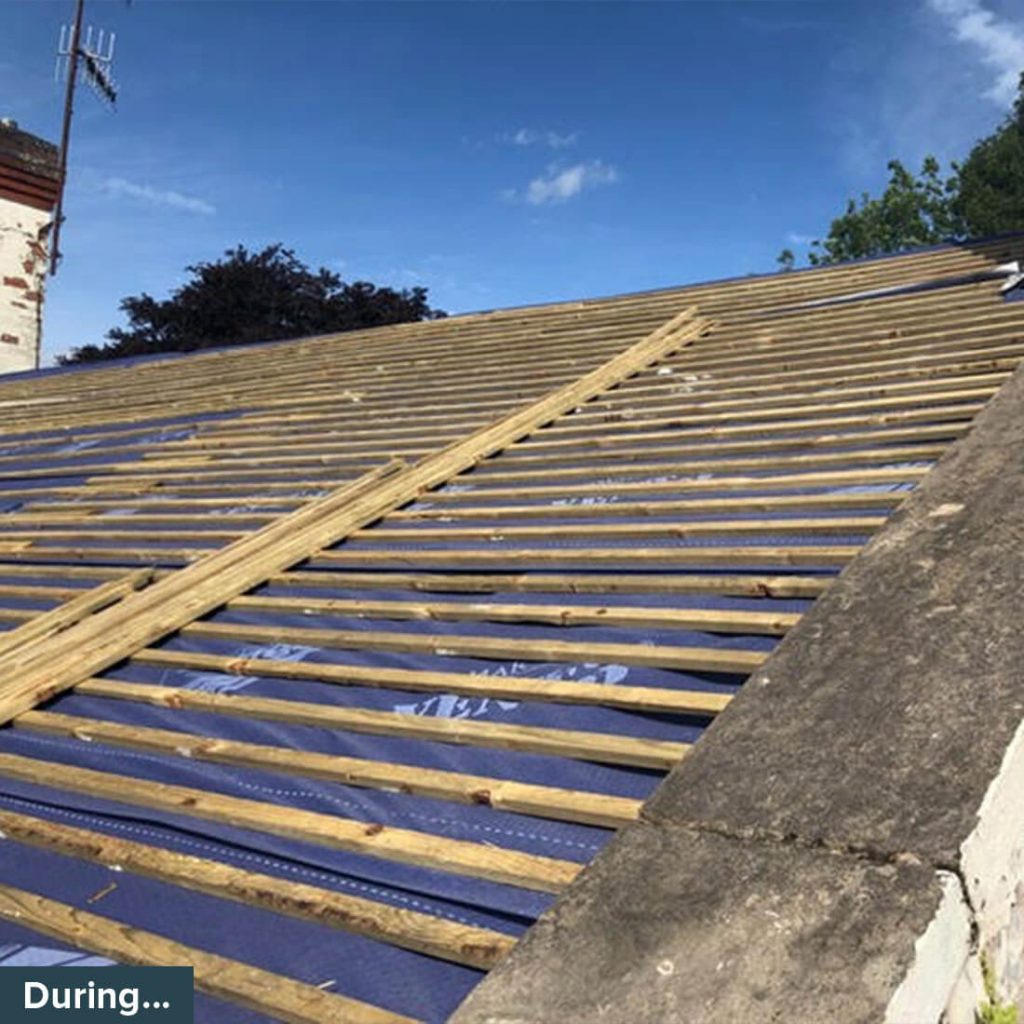
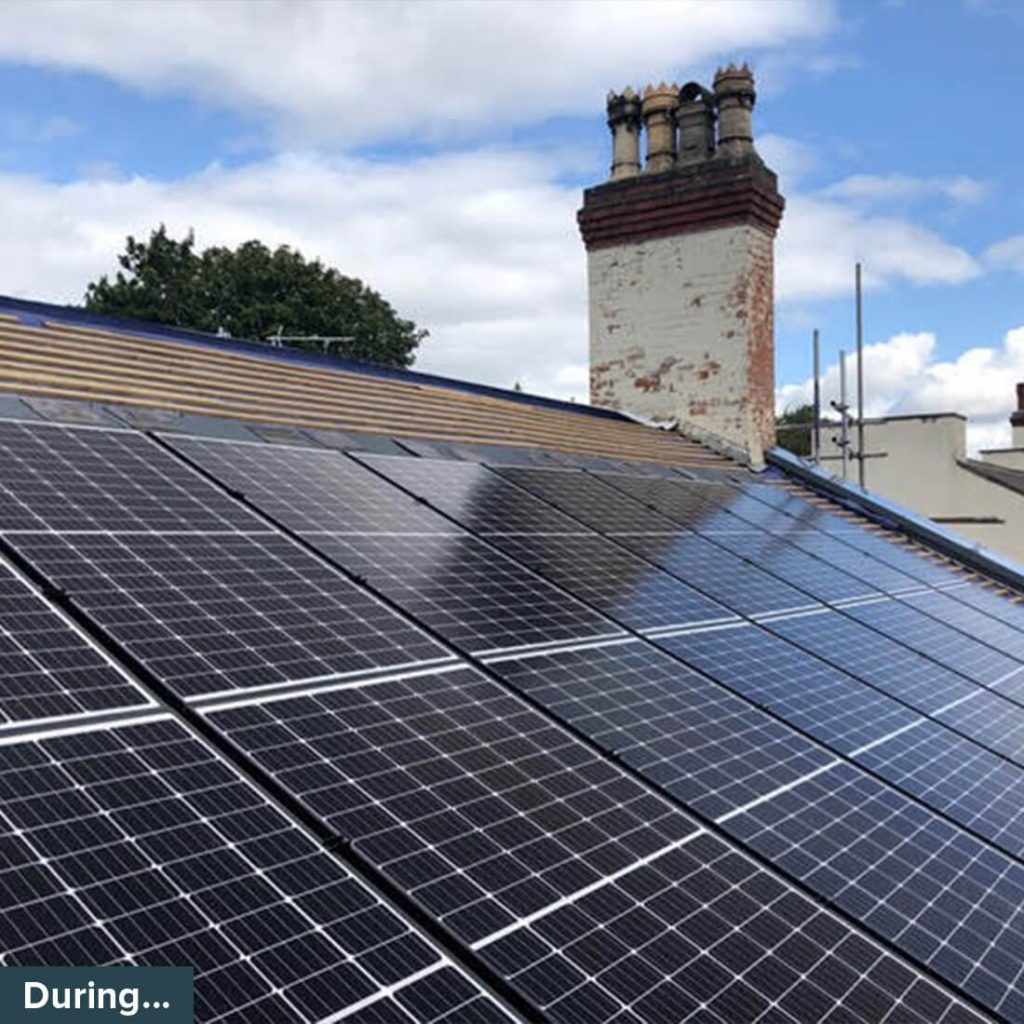
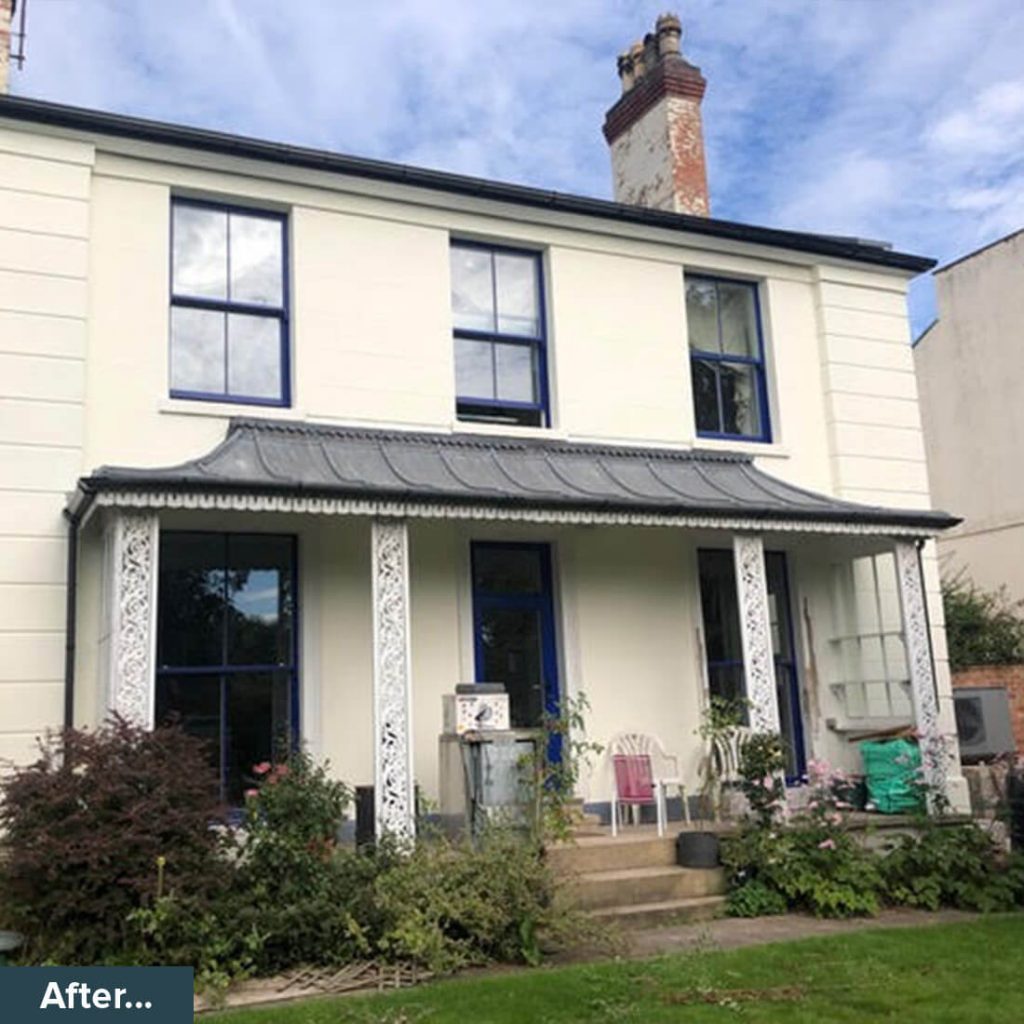
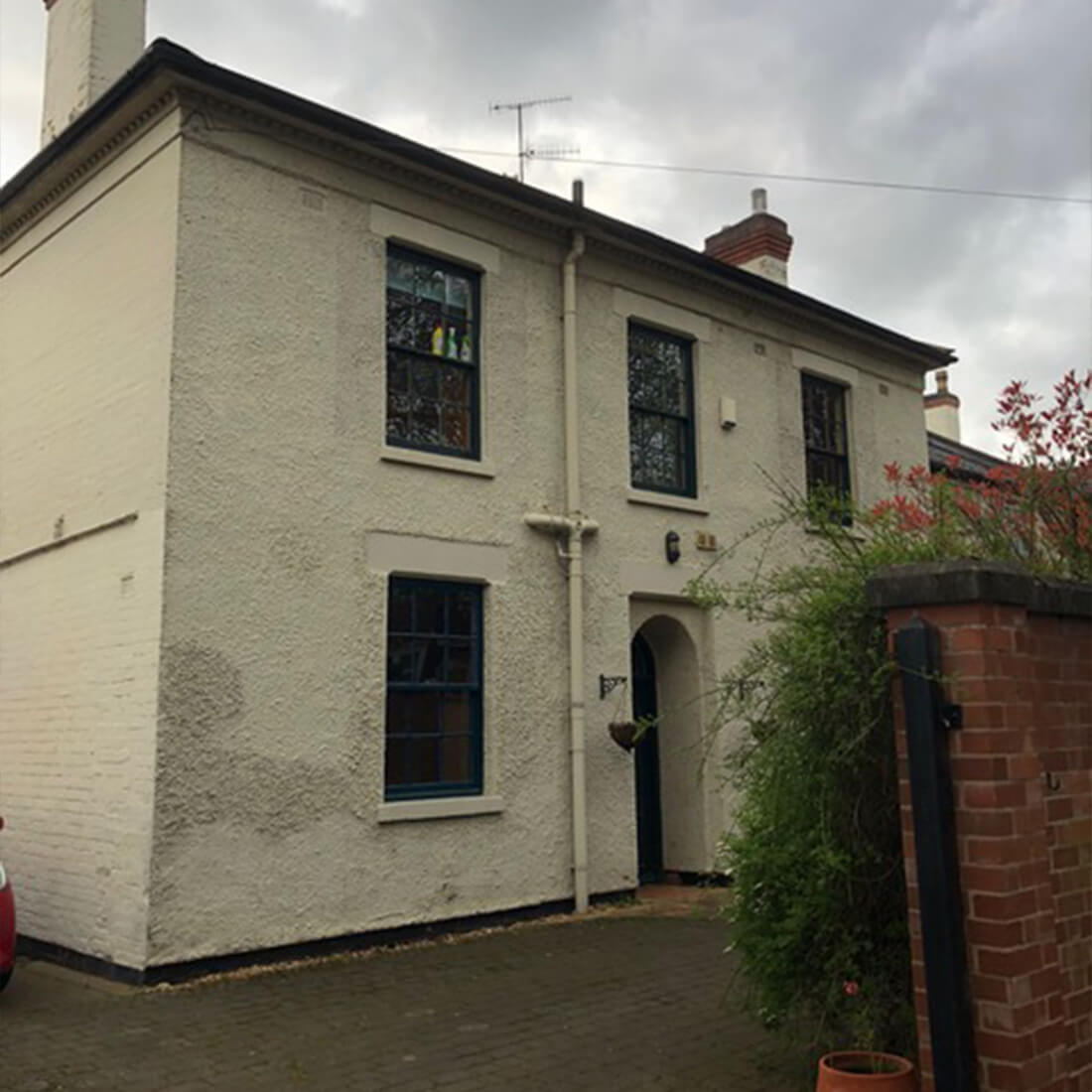
Originally built in the 1850s, the house retained many original features, from ornate cornicing and sash windows to decorative ironwork. But was draughty, hard to heat, and inefficient. Working in close partnership with Gil Schalom, Westville delivered the external wall insulation system, forming a key part of a comprehensive retrofit that also included triple glazing, new roofing, solar PV integration, and an air source heat pump system.
Delivering deep energy improvements in a Conservation Area required detailed planning, technical sensitivity, and creative design. Restrictions meant that key features, including the garden-facing façade and chimney stacks, had to remain untouched.
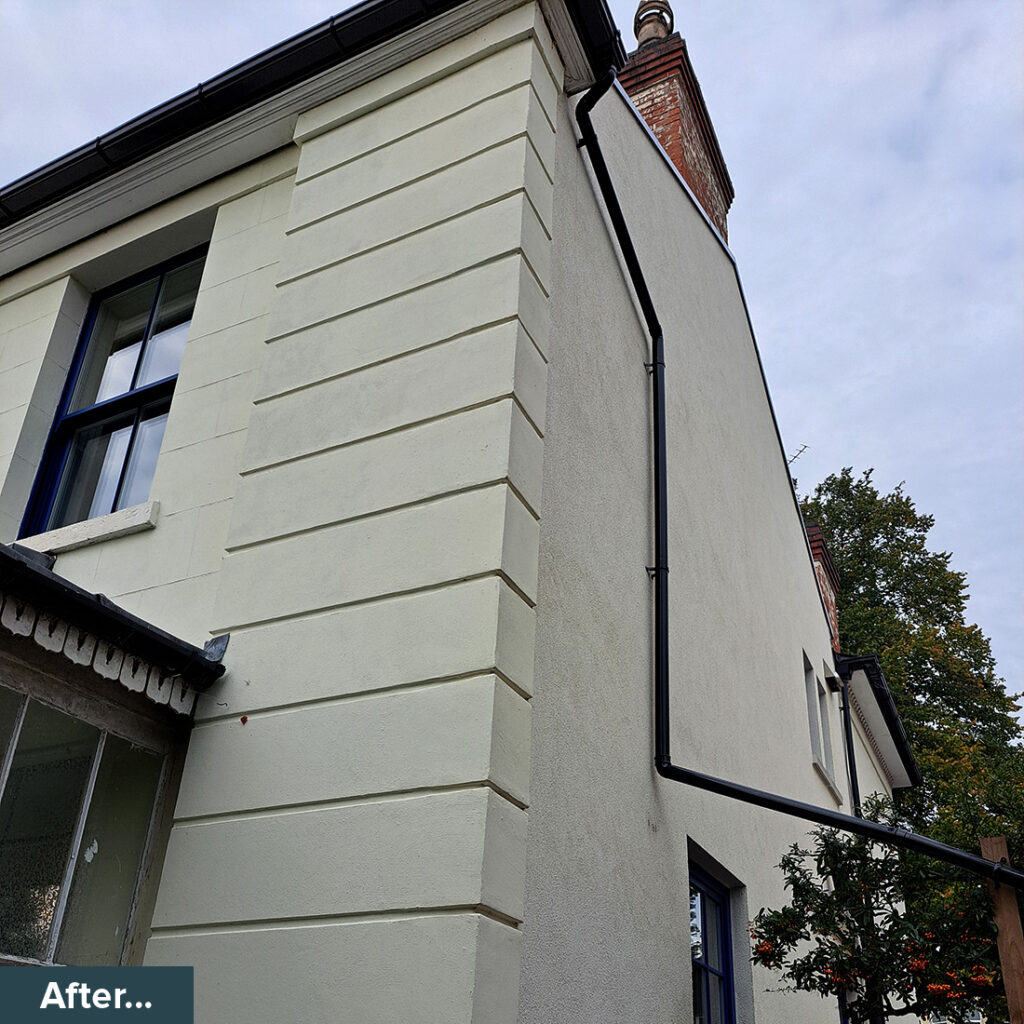
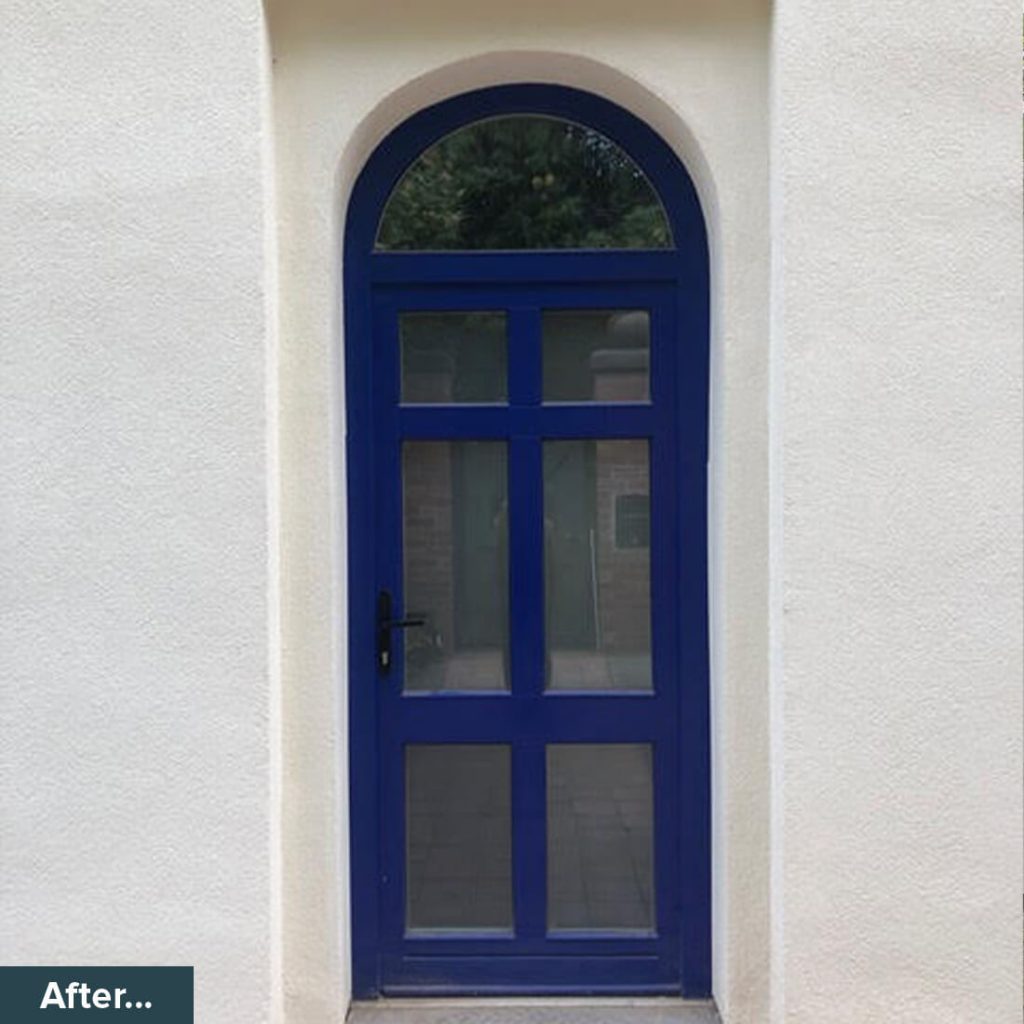
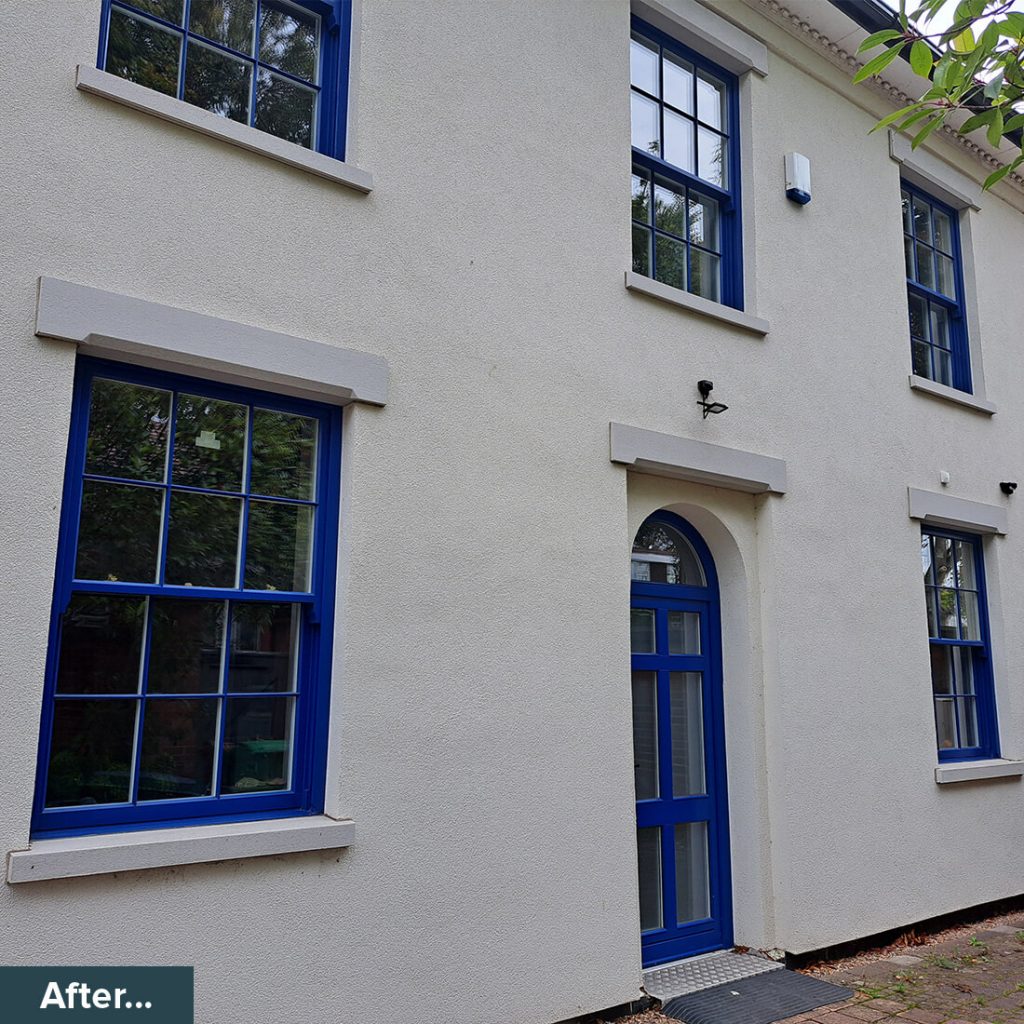
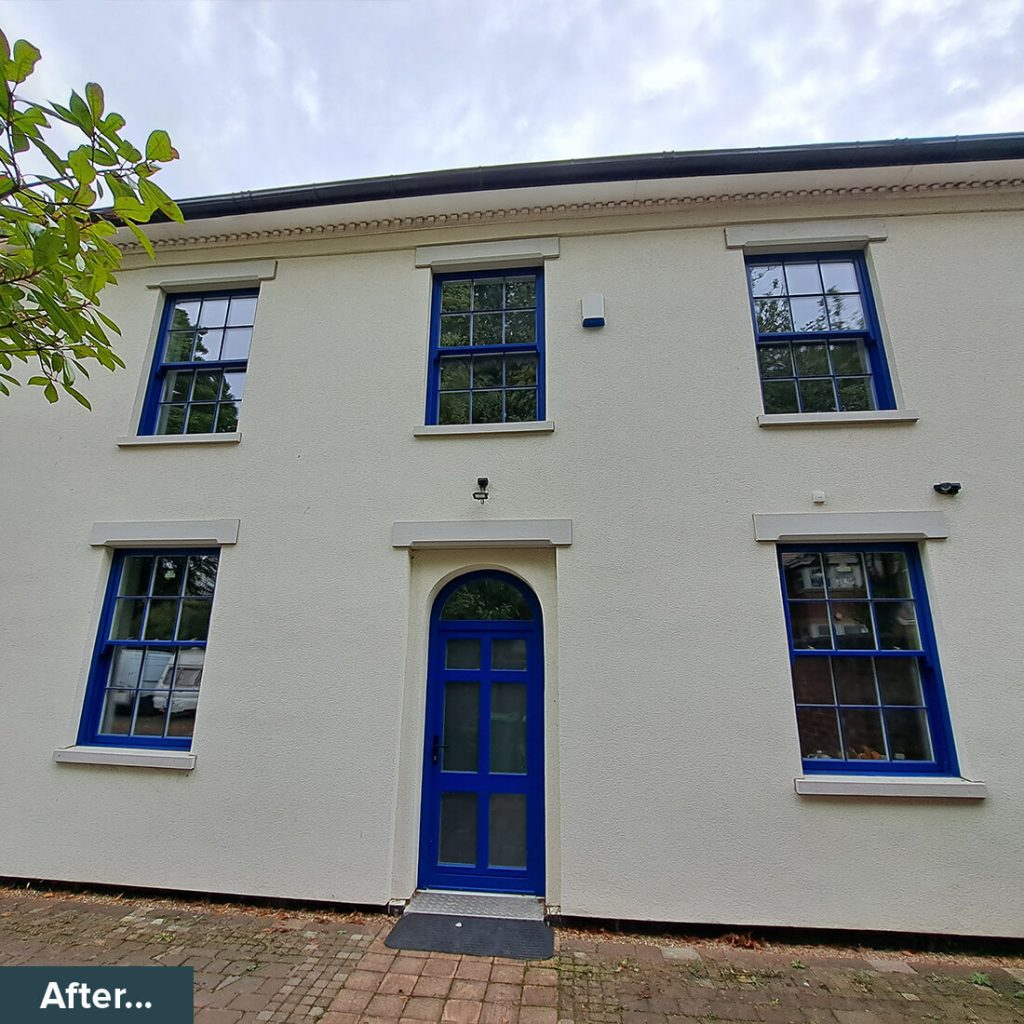
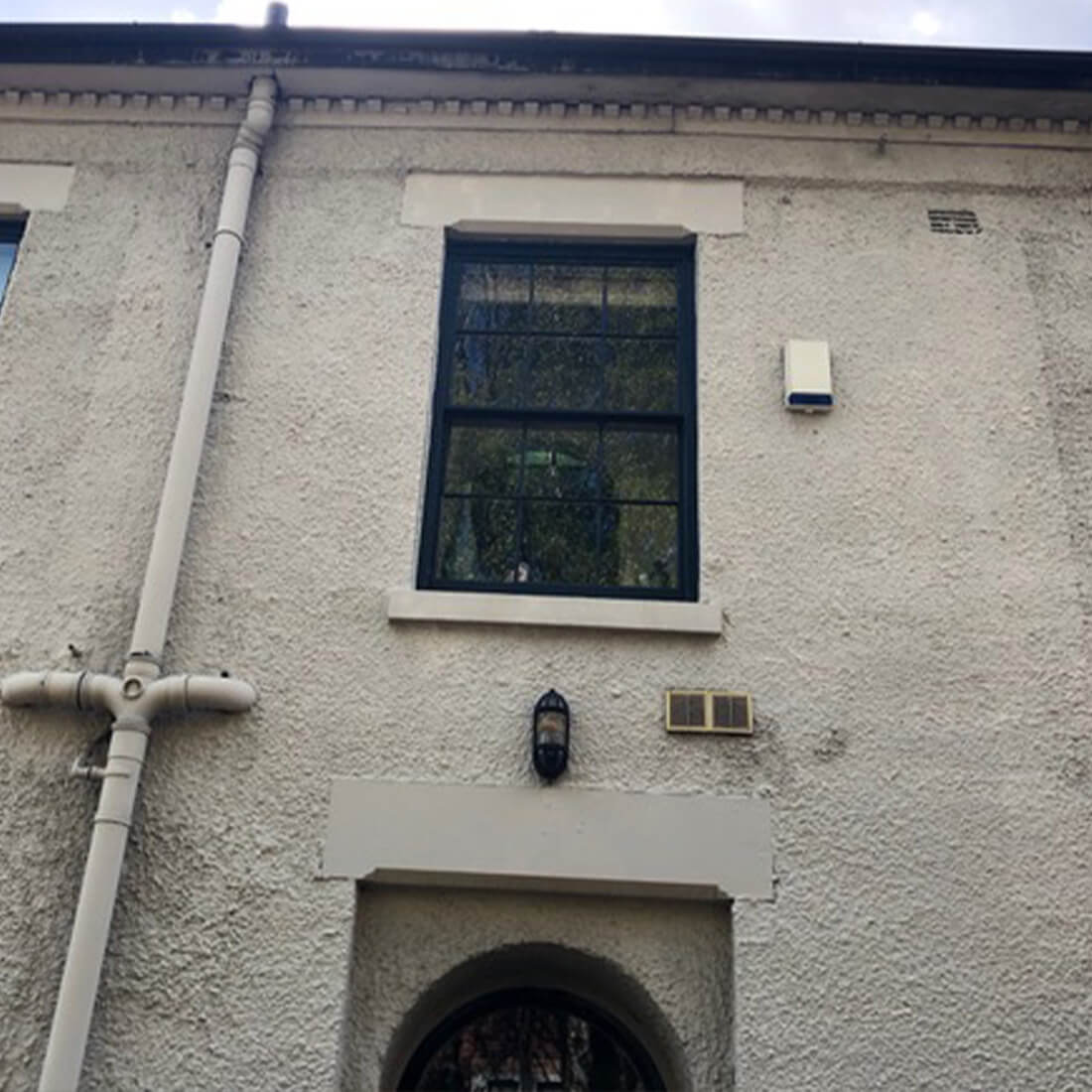
Westville worked alongside Gil to ensure that every external upgrade respected the building’s heritage while improving performance. The EWI system was carefully detailed to replicate original features such as ashlar window heads and sills, extended parapets, and a recreated timber dental course beneath the roofline. Breathability was also a focus, with Gil researching the vapour-openness of the EWI system, the materials & processes selected to insulate was deemed to beneficial to the walls as it would protect them from extremes in weather & temperature. The Conservation Officer involved accepted the findings and gave the go-ahead to start work on this historic building.

Contracts Manager
Westville’s Contracts Manager, Kevin Hurd, coordinated the installation, working closely with the architect and homeowner to ensure precision at every stage. His oversight helped deliver a seamless interface between new insulation and existing materials, preserving the property’s appearance while dramatically enhancing its thermal performance.
The finished home now performs to modern energy standards without compromising its Victorian heritage. The combination of high-performance insulation, renewable heating, and solar generation has reduced annual energy use from 16,093 kWh to just 6,494 kWh, with an average of 2,770 kWh exported back to the grid each year.
The property now enjoys consistent warmth, lower running costs, and an elegant exterior that honours its original design. The collaboration between architect Gil Schalom, Westville, and the homeowners demonstrates how heritage and sustainability can coexist beautifully.

Following the work on this property, residents are set to save an estimated £1,460 annually on their energy bills.*
The total estimated Carbon Dioxide savings amounts to around 4.9 tonnes each year.* That's the equivalent of removing 12.6 million miles driven from petrol-powered cars every year!**
The homeowners were delighted with the transformation, describing their upgraded Forest Fields residence as both “beautiful and brilliantly comfortable.”
Architect Gil Schalom praised the Westville team for their attention to detail, professionalism, and care in preserving the building’s character while delivering exceptional energy performance.
We’ve had the opportunity to work on some inspiring projects with some fantastic residential clients, businesses and local authorities.